
In a bold move addressing long-standing debates over U.S. immigration policy, Senator Jim Banks is set to introduce legislation Monday aimed at revoking birthright citizenship for children born in the country to illegal immigrants and foreign birth tourists. The bill, dubbed the Citizenship Reform Act, seeks to redefine federal law’s approach to birthright citizenship by labeling children of certain entrants as descendants of “invaders.”
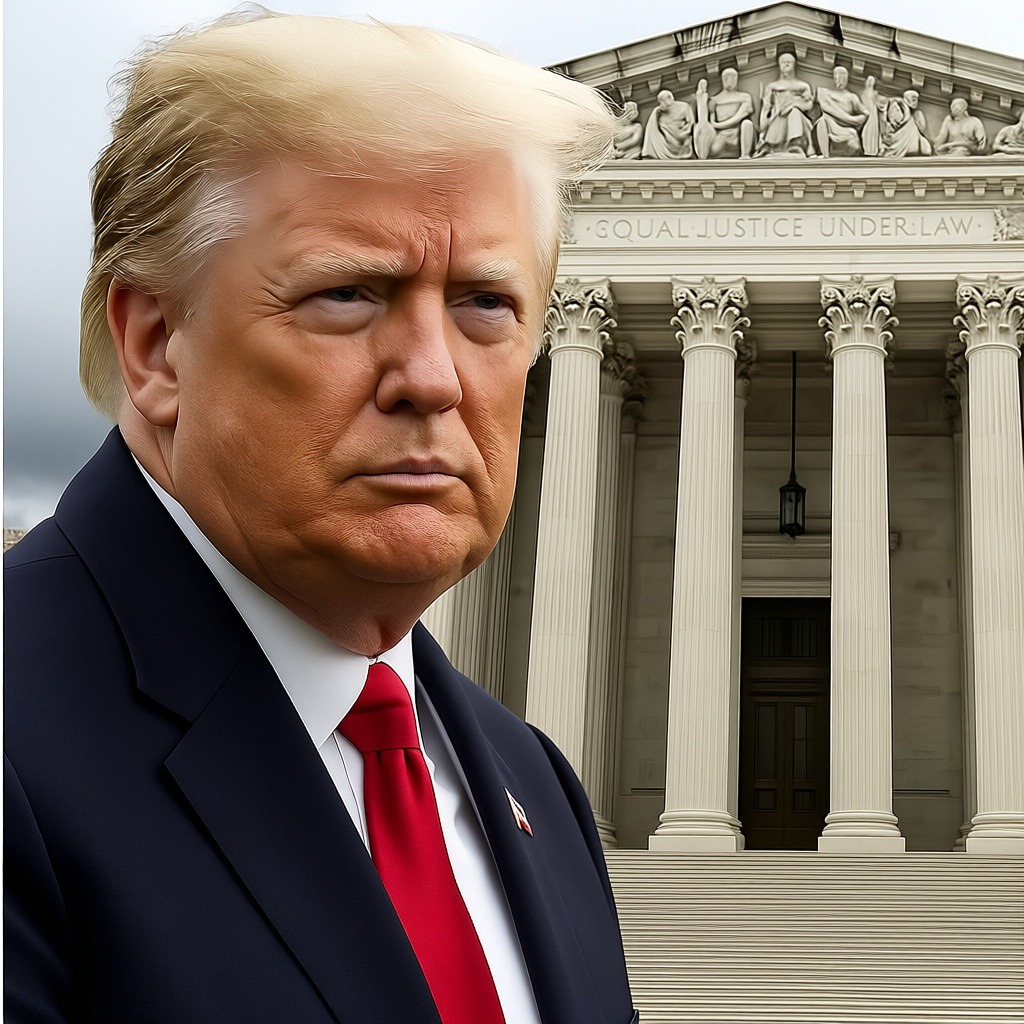
Last month’s Supreme Court ruling on the Trump v. Barbara case provided new context for this legislative push. The decision, which dealt a setback to former President Trump’s executive order trying to end automatic citizenship for children born on U.S. soil to non-citizens, included a key concurrence from Justice Brett Kavanaugh. In that opinion, Kavanaugh suggested that Congress has the power to amend the Immigration and Nationality Act (INA) to alter birthright citizenship rules if it chooses to do so.
Building upon that legal foundation, Senator Banks announced that his proposed Citizenship Act would explicitly define individuals who enter the U.S. illegally or for the purpose of birth tourism as “invaders.” Under the new legislation, children born to these “invaders” would no longer automatically acquire U.S. citizenship. The bill aims to codify President Trump’s 2025 executive order—which sought to prevent the granting of birthright citizenship in specific circumstances—making it legally binding under federal law.
“Our nation’s immigration policies should prioritize fairness and legality,” Banks stated in a recent interview. “This bill clarifies that children of those who violate our borders or unlawfully exploit our immigration system do not have an automatic claim to U.S. citizenship. It’s about protecting the integrity of our citizenship laws and ensuring they serve the interests of lawful residents and citizens.”
Advocates supporting the bill argue that current policy has been exploited through practices like birth tourism, where foreign nationals travel to the U.S. specifically to give birth and secure citizenship for their children, often to establish a pathway for family migration or access to U.S. benefits. Critics, however, contend that these measures could undermine foundational principles of equality and lead to a more complicated legal process for American-born children.
Legal analyst and immigration experts are closely watching this development, noting that the bill’s success hinges on congressional approval and potential court challenges. The legislation would need to be passed by both chambers of Congress and signed into law by the President, a process that could spark intense debate given its controversial nature.
Nevertheless, Senate Republicans, including Banks, are framing the bill as a necessary step to uphold national sovereignty and recalibrate immigration laws in line with recent judicial interpretations. The bill also explicitly aims to align with the upcoming executive order President Trump plans to issue, which would formalize the policy by 2025.
This proposed legislation marks an important turning point in ongoing debates over immigration, birthright citizenship, and constitutional interpretations. As the bill makes its way through Congress, reactions from immigrant advocacy groups, legal experts, and policymakers are expected to be swift and vigorous.
Where to Learn More
- Exclusive: Senator Jim Banks Unveils Legislation Targeting Birthright Citizenship – Fox News Digital
- Legal Perspectives on Ending Birthright Citizenship – National Review
- Analysis of Immigration and Citizenship Policy Changes – CNN
- Legal Implications of Birthright Citizenship Policy – Brookings Institution