
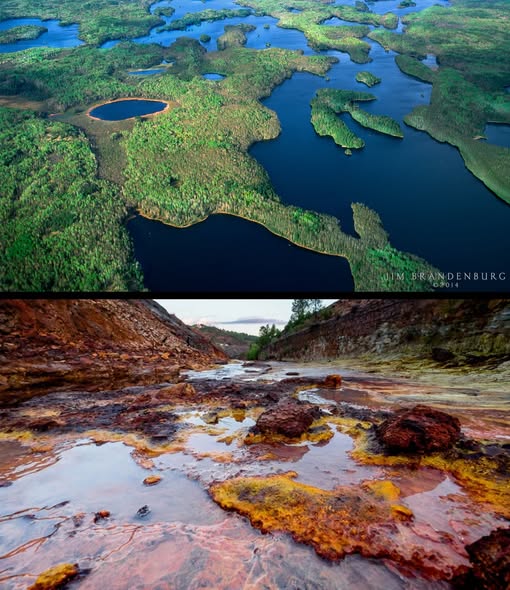
The U.S. Senate narrowly passed a controversial resolution this week that could open the door to copper-nickel sulfide mining in the pristine Boundary Waters Canoe Area Wilderness of northern Minnesota, marking a significant setback for environmental protection efforts. The vote, secured by a margin of just one vote—50 to 49—effectively erodes a longstanding 20-year moratorium designed to shield the region from mineral exploration.
Using the Congressional Review Act—a legislative tool that allows Congress to overturn federal regulations with a simple majority—the resolution was pushed forward despite intense opposition from environmental groups, local communities, and many Native American tribes. Only two Republicans voted against the measure, signaling a partisan divide on how to balance economic development with ecological preservation.
This decision unlocks access for Twin Metals Minnesota, a subsidiary of Chilean mining giant Antofagasta, which has been cleared to proceed with mining activities in the area. The region encompasses over a million acres of wilderness featuring more than 1,000 lakes and drawing approximately 250,000 visitors annually—hunters, anglers, hikers, and canoe enthusiasts alike. However, opponents argue that the environmental risks outweigh any economic benefits, especially given the history of the parent company.
Antofagasta’s track record raises serious concerns. In January 2026, the company was fined nearly $775,000 for water management violations at one of its mines in Chile. Its flagship mine dumped 13,000 liters of copper concentrate into the Choapa River, and a recent study found that eight active copper mines—operating under current regulations—have been polluting surrounding waters regularly. Copper sulfide mining is notorious for generating sulfuric acid drainage, which can contaminate watersheds for centuries, threatening ecosystems and communities downstream from the Boundary Waters.
This vote is part of a broader trend that underscores the current administration’s aggressive stance on resource extraction. Since taking office, President Trump issued executive orders aimed at expanding fossil fuel development, withdrew from international climate commitments like the Paris Agreement, and paused or canceled numerous clean energy projects. The Department of Energy recently canceled over $7.5 billion in clean energy investments, leading to thousands of job losses across federal agencies involved in land and wildlife management.
Meanwhile, the Bureau of Land Management (BLM) ramped up oil and gas leasing activities, including major lease sales in New Mexico, Wyoming, and Colorado in 2025, while simultaneously reinstating lease approvals in the Arctic National Wildlife Refuge. This coordinated effort appears to be part of a systematic dismantling of environmental protections and public land conservation efforts, emphasizing profit over long-term ecological health.
Environmental advocates warn that deregulation and aggressive resource extraction threaten the delicate ecosystems of the Boundary Waters region and jeopardize the cultural and recreational values cherished by local communities. Legal challenges are already underway, leveraging state-level regulatory tools to counter federal decisions, but the fight to preserve this wilderness is far from over.
Where to Learn More
- Senate Narrowly Votes to Open Boundary Waters to Mining – NPR
- How the Boundary Waters Became the Latest Front in America’s Mining Wars – The Guardian
- Minnesota Activists Fight Back After Senate Vote to End Boundary Waters Mining Ban – North Country Public Radio
- Environmental Groups React to Senate’s Reversal of Mining Moratorium – Environmental Defense Fund