
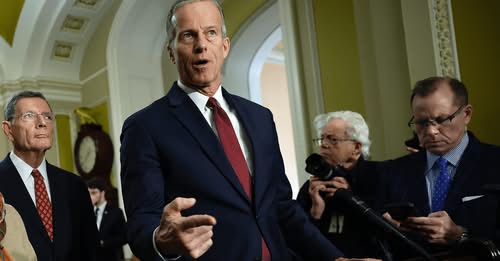
In a recent social media statement that has quickly gone viral, Senate Majority Leader John Thune emphasized the need for a reform in the nation’s intelligence apparatus, calling for “professionalism” over what he described as a “weaponized” Director of National Intelligence (DNI) leadership. Thune’s comments highlight ongoing bipartisan concerns about the politicization of intelligence agencies and raise questions about the future oversight and integrity of U.S. intelligence operations.
Thune’s remarks come amid a broader national debate over the role and influence of intelligence agencies in political affairs. Critics argue that at times, intelligence agencies have been used as tools for political gain rather than objective sources of information. Thune’s stance suggests a desire to restore trust and professionalism within the intelligence community, emphasizing that national security should be managed by dedicated experts rather than politicized figures.
“We don’t need a weaponized DNI; we need professionals there,” Thune stated plainly on social media, sparking widespread discussion among policymakers and security analysts. He implied that the current environment risks undermining the credibility and effectiveness of intelligence efforts at a time when global threats—from cybersecurity to international terrorism—demand meticulous, unbiased expertise.
This statement resonates with many in Congress who have voiced concern over perceived politicization of intelligence agencies during recent administrations. Critics argue that such politicization compromises the agencies’ primary mission to provide honest, impartial assessments of national security threats. In response, some lawmakers are advocating for reforms that would reinforce the professionalism and independence of intelligence agencies, ensuring decisions are based solely on facts and analysis rather than partisan interests.
Meanwhile, the debate underscores the importance of having a DNI who operates within a framework of professionalism and accountability. The Office of the Director of National Intelligence, created in 2004, was intended to coordinate intelligence priorities across multiple agencies. However, its leadership has often become a focal point for political contention, as different administrations have favored differing visions for intelligence oversight.
As public awareness grows regarding the potential risks of politicized intelligence, Thune’s call for professional integrity serves as a reminder of the critical importance of expert-led, unbiased intelligence work. Many experts agree that protecting the integrity of intelligence agencies is essential to national security, especially amidst evolving threats in the digital age.
While Thune’s statement provides a clear stance, it also opens the door for additional discussions about how best to reform and safeguard America’s intelligence community in the coming years. Ensuring that intelligence remains a tool for national security, rather than political ambitions, will likely remain a priority for legislators and policymakers alike.