
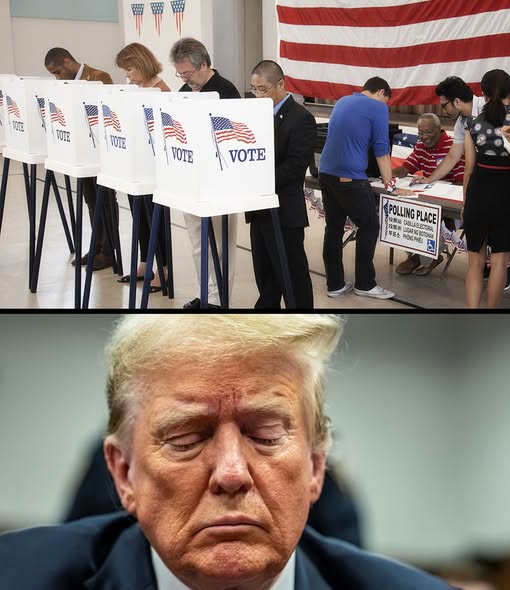
The U.S. Senate has taken a significant stand against sweeping anti-voter legislation, blocking the controversial SAVE Act—which stands for Safeguard American Voter Eligibility—in two separate votes. This recent action marks a rare display of conviction in defending voting rights, and it’s a development worth celebrating for anyone concerned about the integrity and accessibility of American elections.
The bill, widely championed during the Trump administration, aimed to impose new barriers to voting under the guise of preventing election fraud. However, its real purpose was much clearer to critics: suppressing voter turnout among marginalized communities—Black Americans, low-income households, young voters, rural residents, and seniors—groups that generally lean toward the Democratic ticket. Despite weeks of debate and intense lobbying, the Senate failed to reach the 60-vote threshold necessary to advance the legislation, signaling broad bipartisan opposition to measures viewed as disenfranchising.
The claim that this bill was about stopping widespread voter fraud is misleading. According to the conservative Heritage Foundation’s own nationwide database, suspected cases of noncitizen voting since 2000 amount to only 99 documented incidents—an inconsequential “rounding error” in the broader context of millions of votes cast each election cycle. Numerous reviews emphasize that noncitizen voting is exceedingly rare, yet certain political figures have latched onto the issue as a rallying cry to justify restrictive voting laws.
Beyond the fraud narrative, the bill proposed bureaucratic hurdles that would disproportionately impact the most vulnerable Americans. For example, an estimated 69 million married women lack a birth certificate matching their current legal names, which would make exercising their voting rights costly and complicated under the new rules. Meanwhile, only about half of U.S. citizens possess valid passports—rendering that option effectively a pay-to-vote scheme, unavailable to many who cannot afford the additional expense.
Crucially, more than 21 million voting-age Americans lack the necessary documentation to meet the bill’s proposed requirements. These citizens are disproportionately from communities traditionally facing voting barriers—black voters, low-income individuals, rural residents, young adults, and seniors. Historically, efforts to suppress voter participation from these groups have favored one party over the other, and it’s no coincidence that the bill’s failure was celebrated as a victory for democracy.
Even former President Donald Trump openly admitted the bill’s true aim was to “guarantee the midterms,” revealing its partisan purpose. The Senate’s rejection signals a refusal to support legislation that would marginalize millions of Americans simply for exercising their fundamental right to vote.
In a moment where the fight for voting rights is more crucial than ever, the Senate’s decision to block the SAVE Act underscores the importance of protecting accessible, fair elections. This decision isn’t just procedural—it’s a step toward safeguarding democracy itself.