
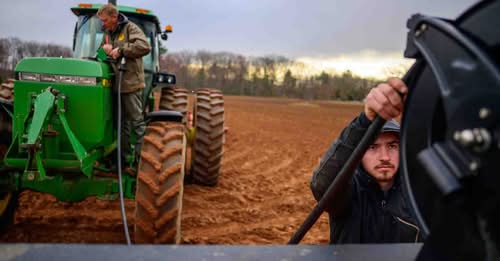
Recent geopolitical developments tied to former President Trump’s aggressive stance and recent actions against Iran are having unintended consequences far beyond the Middle East, significantly impacting rural communities across the United States. According to social media reports and economic analysts, rural households are now facing an increase of at least $26 per week at the gas pump—an alarming rise that threatens to further strain struggling farmers and small-town residents.
The genesis of this surge lies in the complex web of international sanctions, naval skirmishes, and military tensions enacted during and after Trump’s tenure. Although these acts aimed at curbing Iran’s influence and securing American interests, they have inadvertently tightened global oil supplies and increased volatility in crude prices. As oil prices fluctuate, so does the cost of gasoline, which is essentially a lifeline for rural communities heavily dependent on driving for farming, commerce, and daily needs.
“When you’re paying nearly $4 a gallon — and we’ve seen some areas experience even higher costs — it hits rural households hardest,” explains Dr. Lisa Reynolds, an economist specializing in rural economies. “These communities often have less access to alternative transportation options and are more sensitive to fuel price changes. The recent geopolitical tensions are a significant economic burden.”
Social media platforms are rife with stories from farmers and rural residents describing how these increased costs are disrupting their budgets. From diesel powering large farm equipment to daily commutes, the price hikes ripple through every facet of rural life. Many farmers warn that increased fuel expenses could diminish profit margins, jeopardize crop planting and harvesting, and push some to the brink of economic hardship.
Analysts point out that these rising costs are part of a broader pattern of inflation fueled by geopolitical instability. The situation underscores how international conflicts can directly impact Americans’ everyday lives, especially those in less urbanized regions. Congress and policymakers face mounting pressure to address this fallout, but solutions remain elusive amid ongoing debates over energy policy and foreign relations.
Meanwhile, some experts argue that reducing dependence on foreign oil and investing in renewable energy could mitigate future shocks. As the nation debates its energy future, rural communities continue to bear the brunt of international conflicts they have little influence over, highlighting the interconnectedness of global politics and local economies.
For now, rural Americans are enduring higher costs that threaten their economic stability and daily routines. As social media amplifies their voices, it is clear that the impact of international tensions extends well beyond diplomatic corridors, affecting the very fabric of rural life across the country.
Where to Learn More
- Iran Tensions Boost Oil Prices, Rural America Feels the Pinch – Reuters
- How Rising Gas Prices Are Impacting Farmers and Rural Communities – NPR
- The Future of U.S. Energy Policy and Rural Impact – U.S. Department of Energy
- Rural Economies Struggle with Rising Gas Prices – Business Insider