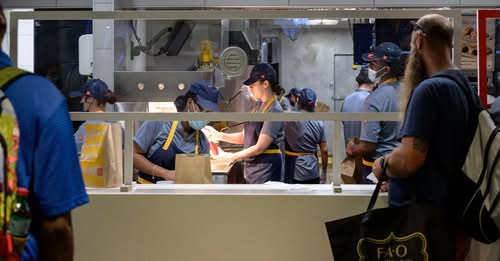
The upcoming introduction of the American Franchise Act has ignited a fiery debate across social media and labor circles, as critics argue that the legislation could significantly weaken protections for nearly 9 million Americans employed in franchise businesses. At the heart of the controversy is the bill’s potential to fundamentally alter how workplace misdeeds are prosecuted, shifting accountability away from large corporations to individual franchise owners.
The proposed legislation seeks to redefine legal responsibilities within franchise relationships, asserting that franchise owners – rather than the franchising corporations themselves – would be solely liable for workplace violations, misconduct, and other legal infractions. This shift could have profound consequences for workers, who often face issues like wage theft, unsafe work conditions, and discrimination, with fewer avenues to seek justice.
According to recent social media discussions, more than 800,000 individual franchise establishments across the United States stand to be affected by these changes. Currently, franchisees and corporate entities share responsibility for compliance and legal accountability. However, if the Act passes, large corporations could effectively escape liability, leaving individual franchise owners to shoulder the burden alone, despite often lacking the resources to address systemic issues or rectify misconduct.
Labor advocates and worker rights organizations warn that the proposed bill could embolden franchise owners and corporate giants alike to cut corners, knowing they face less risk of legal repercussions. “This legislation sets a dangerous precedent,” said Lisa Martinez, a labor rights advocate. “It undermines years of progress in worker protections and effectively throws the door wide open for exploitation.”
Proponents of the American Franchise Act argue that the measure will clarify legal responsibilities and support small business owners. They claim that corporate franchisors do not directly control day-to-day operations and should not be held liable for individual misconduct. However, critics contend that this perspective ignores the interconnected nature of franchising, where corporate policies often influence operational practices at the local level.
The potential impact of the legislation extends beyond worker rights. Consumer protections and fair employment standards could also be compromised if franchise owners are left to face legal action alone or escape liability altogether. This scenario raises questions about accountability, transparency, and the broader implications for fairness in the franchise industry.
As discussions continue, workers, activists, and legislative experts are urging a careful review of the bill’s potential consequences. Many are calling for stronger protections that ensure accountability across all levels of franchise operations and safeguard workers’ rights amid evolving legal landscapes.
Where to Learn More
- NY Times: What the New Franchise Legislation Means for Workers and Small Business Owners
- BBC News: Debates Over the Future of Franchise Protections in the U.S.
- Labornotes: The Impact of the Proposed American Franchise Act on Worker Protections
- Economic Policy Institute: Analyzing the Economic and Worker Impacts of the American Franchise Act