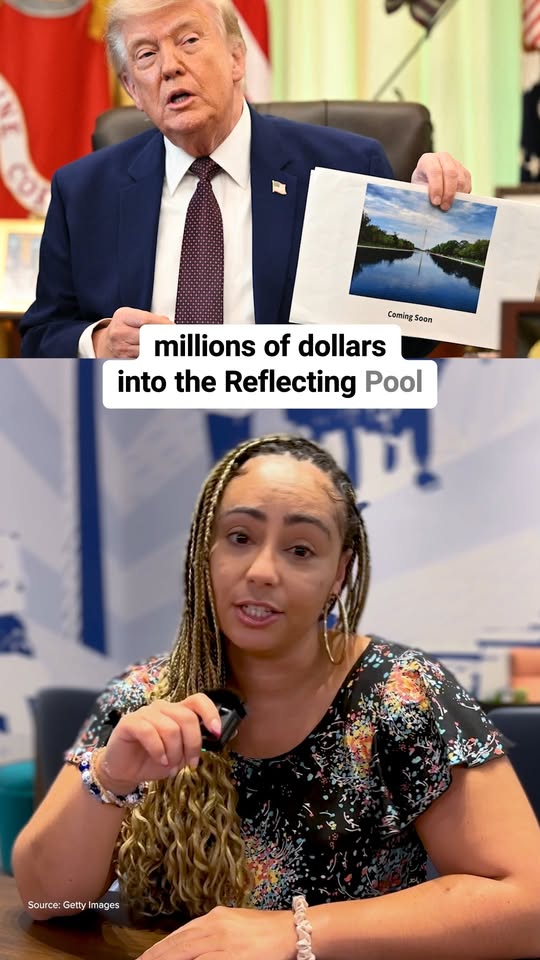
In a move that has sparked widespread debate and social media outrage, President Donald Trump is directing millions of taxpayer dollars toward an extensive renovation of the iconic Reflecting Pool near the Lincoln Memorial. While this historic landmark receives a hefty facelift, critics argue that the administration is simultaneously neglecting, and in some cases actively harming, green spaces and environmental conservation efforts across the United States.
The Reflecting Pool project, purportedly aimed at restoring its historic splendor for upcoming national events, involves a budget exceeding $15 million. This funding covers repairs to the pool’s structure, cleaning, landscaping, and enhancements intended to boost its visual grandeur. Supporters claim that preserving America’s historic monuments is essential for national pride and tourism. However, environmental advocates question the allocation of such substantial funds for a single site, especially when numerous parks and green areas are suffering from underfunding, neglect, and development pressures.
This controversy highlights a deeper environmental dilemma. Recent reports point out that while millions are funneled into the reflection pool’s facelift, federal budgets for parks, wildlife conservation, and urban green spaces have been reduced. From declining national park maintenance budgets to the sale and privatization of public lands, critics say the government is prioritizing superficial aesthetic projects over meaningful environmental preservation.
Environmental experts warn that these green spaces are vital for urban ecosystems, providing clean air, habitats for wildlife, and recreational opportunities. The reduction of green spaces across the country has been linked to increased urban heat, pollution, and decreased quality of life for residents. The contradiction between funding a historic water feature and neglecting broader environmental needs has not gone unnoticed, sparking protests and social media campaigns calling for a more balanced approach to national spending.
Meanwhile, some community leaders and conservation groups have voiced concern that the focus on monumental restoration projects like the Reflecting Pool exemplifies a misplaced value system—prioritizing iconic aesthetics that often serve political or tourism interests over functional green infrastructure that benefits everyday Americans. They argue that taxpayer dollars should be redirected toward restoring urban parks, protecting endangered habitats, and combating climate change.
As the debate intensifies, it raises critical questions about national priorities. Is the focus on iconic landmarks at the expense of essential ecological health? Will future administrations address the imbalance between preservation and environmental sustainability? These questions underscore the complex challenge of managing public resources in a way that respects both history and habitat.
Where to Learn More
- National Parks and Green Space Funding Gaps – National Parks Traveler
- Environmental Concern over Green Space Reductions in the US – The Guardian
- Debate Over Federal Spending on Land and Monuments – National Review