
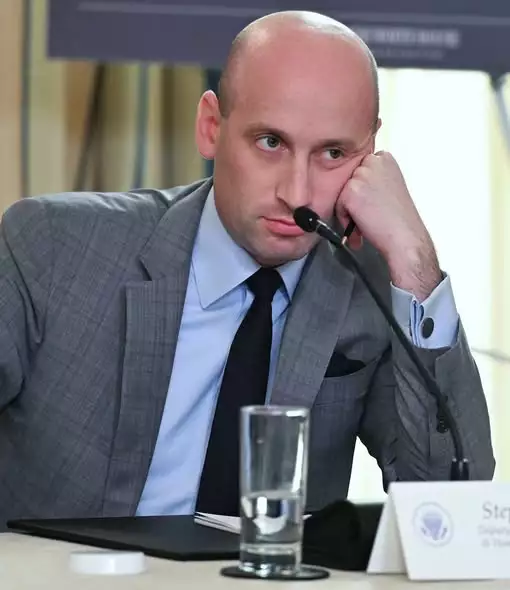
The landscape of U.S. immigration enforcement is quietly shifting amid mounting controversy over the brutal tactics championed by Stephen Miller, the architect of former President Donald Trump’s hardline immigration policies. Once regarded as the mastermind behind some of the most aggressive measures, Miller appears to be losing influence within the current administration, even as the machinery of enforcement continues to claim lives and inflict suffering.
Recently, reports surfaced that Miller’s grip on power is loosening. His signature initiatives—such as the controversial Border Patrol strike forces and sharp reductions in seasonal worker visas—are being scaled back or reversed altogether. The Biden-era Department of Homeland Security (DHS), under new Secretary Markwayne Mullin, is reportedly no longer taking cues from Miller’s radical playbook, instead turning to former officials like Tom Homan and CBP Commissioner Rodney Scott for policy guidance. While Miller still holds his official title, experts suggest that institutional influence and decision-making authority are waning.
This internal shift comes amidst a staggering human toll. Since President Trump took office in January 2025, at least 47 individuals have died in ICE custody—the highest death toll in over two decades—and deaths are occurring at an alarming rate of roughly once every six days. Behind the scenes, detention facilities continue to operate under increasingly dire conditions. Reports describe overcrowding, outbreaks of measles, and medical care that is often inadequate or delayed. One detention center death has been officially ruled a homicide, exposing further questions about oversight and accountability.
Public outrage was reignited earlier this year during the chaotic Minneapolis ICE surge, where federal agents killed two American citizens—Renée Good, a 37-year-old mother of three, and Alex Pretti, a VA nurse who intervened to protect a woman being roughed up by agents. The incident prompted criticism nationwide, yet it was Miller’s swift response—calling Pretti a “domestic terrorist” on social media—that drew widespread condemnation.
Despite these setbacks, critics argue that the core machinery of cruelty remains firmly in place. The Trump administration simultaneously expanded detention infrastructure, with new centers opening amid reports of inhumane conditions, medical lapses, and even death — including a case where a detainee’s death was ruled a homicide. The continued proliferation of detention facilities underscores how policies rooted in Miller’s hardline approach persist, often at the expense of human rights.
Officials maintain that Miller is not exiting the scene entirely. The White House insists he remains in his role and is committed to the broader agenda. However, many observers point out that having a title is not the same as wielding real influence, especially when key policy decisions are being made elsewhere.
The ongoing tragedy underscores a troubling reality: even as power dynamics shift, the machinery of enforcement remains deeply entrenched, and vulnerable populations continue to suffer. As the debate over immigration policy unfolds, the question remains—how much longer can the status quo persist without further devastating consequences?
Where to Learn More
- Inside the Rising Death Toll in ICE Custody – The New York Times
- How Biden Is Reversing Trump’s Hardline Immigration Policies – The Washington Post
- Subhuman Conditions in U.S. Detention Centers – Human Rights Watch
- The Minneapolis ICE Raid That Sparked Outrage – ProPublica