
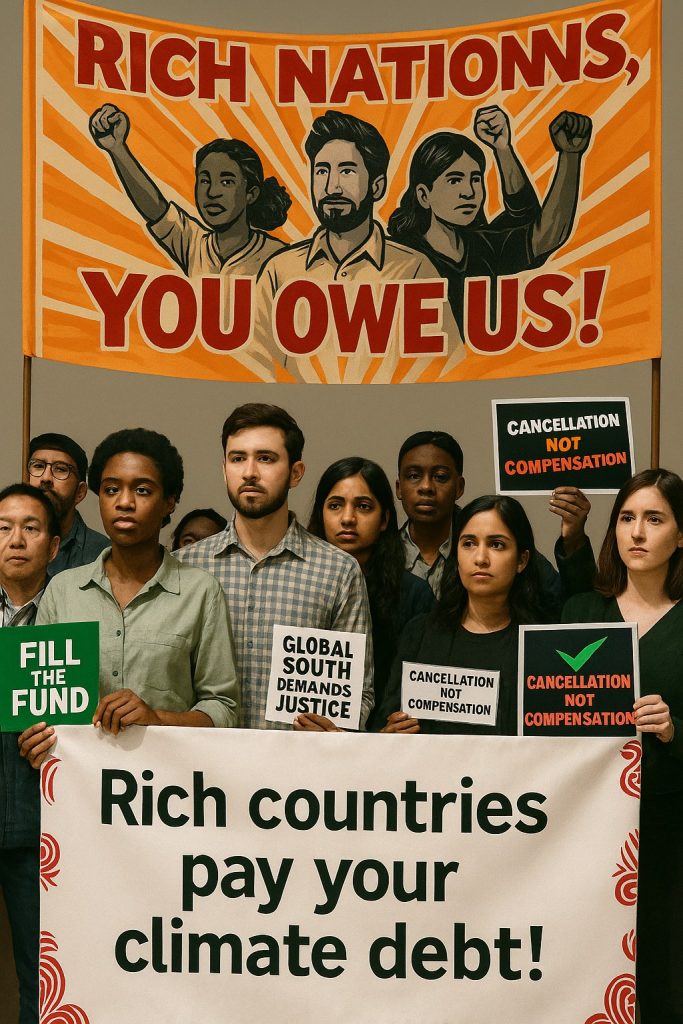
In a powerful new report, Oxfam International has laid bare the critical need for a “just transition” in the face of an escalating climate crisis. The organization champions a systemic shift in how resources and power are distributed, urging that climate action must not only address environmental concerns but also prioritize the dignity and rights of all individuals across the globe.
The report comes at a crucial juncture as nations prepare for the upcoming COP28 climate summit, highlighting that tackling environmental issues without addressing the underlying inequities could prove disastrous. It emphasizes that developed nations, historically responsible for the bulk of greenhouse gas emissions, must take the lead in not just reducing their carbon footprints but also in redistributing power and resources to marginalized communities.
“A just transition must curb overconsumption patterns that have primarily benefitted the wealthy,” the report states. By demanding a reevaluation of our consumption habits, Oxfam is calling out the stark disparity between the lifestyles of affluent nations and those living in poverty, who are often the most affected by climate change.
Oxfam’s report sheds light on a disheartening reality: while vulnerable populations contribute the least to global warming, they bear the brunt of its impacts. The organization urges policymakers to ensure that any measures taken toward climate action also uphold human rights and social equity.
The report outlines several key areas requiring immediate attention to facilitate this transition:
- Redistribution of financial and natural resources to support climate adaptation in poorer communities.
- Encouraging sustainable practices and reducing overconsumption in wealthier nations.
- Strengthening workers’ rights in sectors undergoing transformation due to climate policies.
- Ensuring that all voices, particularly those from marginalized communities, are included in decision-making processes.
Oxfam’s report has ignited significant conversation on social media platforms, with activists and thought leaders weighing in on its implications. Many are praising the report’s holistic approach, arguing that the path to sustainable development requires a commitment to equity and justice.
As calls for action echo louder ahead of COP28, the importance of Oxfam’s message cannot be understated. With climate change exacerbating existing inequalities, the need for a just transition has never been more urgent. By redistributing power, curbing overconsumption, and centering human dignity in climate action, Oxfam believes we can forge a sustainable future for all.
Where to Learn More
- A Just Transition: Oxfam’s New Report – Oxfam International
- Climate Change and Inequality – United Nations
- Understanding the Just Transition Movement – NPR
- World Bank’s Approach to Social Sustainability – World Bank
- Oxfam’s Climate Justice Report: A Call to Action – The Guardian