
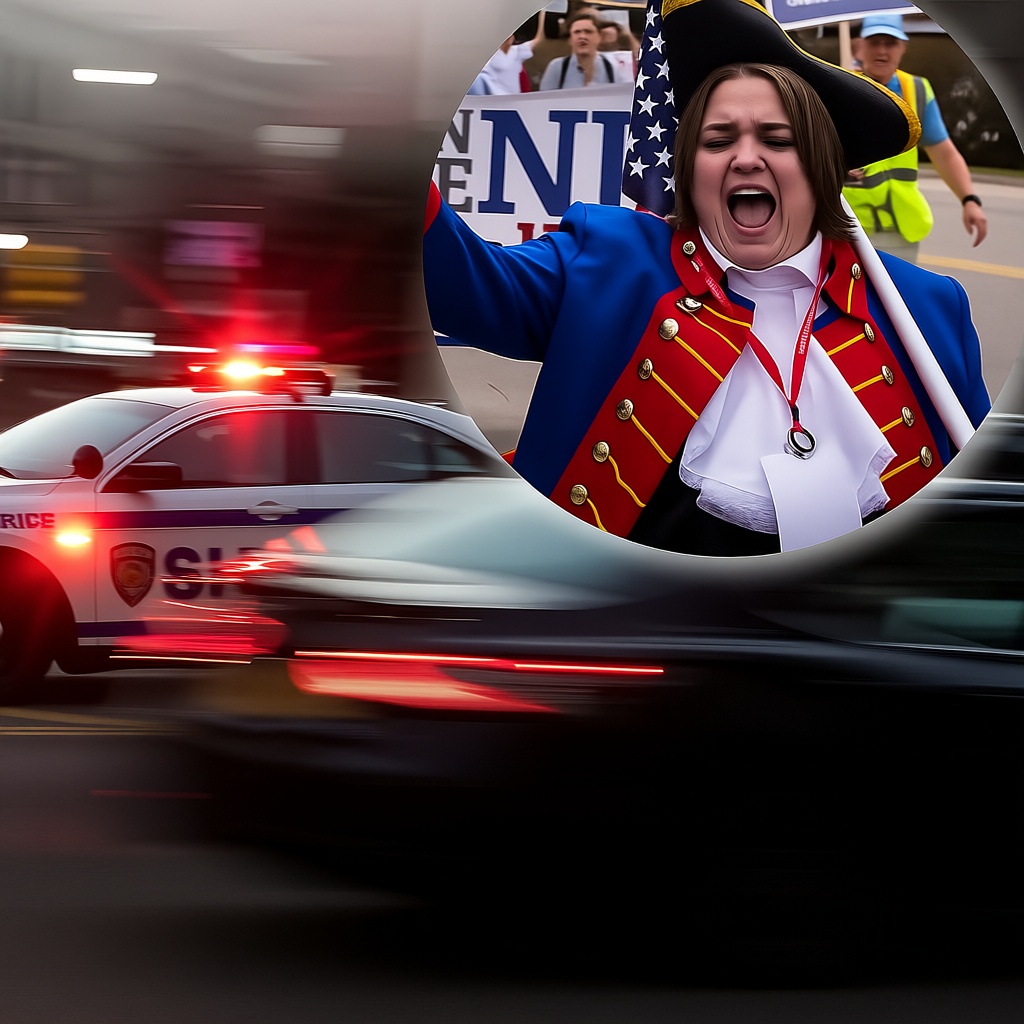
In a highly unusual legal move that has captured national attention, New Hampshire State Rep. Ellen Read is attempting to dismiss two recent speeding charges by asserting her constitutional right to avoid traffic stops while traveling between her home and the State House.
The incidents in question occurred when Read was accused of traveling at speeds exceeding 100 mph in one instance and 92 mph in a 65 mph zone in another. Both alleged violations took place as she commuted from her residence prior to heading to legislative sessions. Instead of accepting responsibility for the traffic infractions, Read has launched a legal challenge arguing that her rights, as protected under the New Hampshire Constitution, prevent law enforcement from stopping her during her official travel.
Read maintains that her actions are rooted in a longstanding belief that lawmakers are protected from routine traffic interventions when traveling on official business. In a social media post that went viral, she emphasized, “I’m not claiming lawmakers are above the law — only that the stops themselves violated the New Hampshire Constitution.” Her legal team argues that the constitutional provisions explicitly safeguard legislators on their way to and from the State House, making the traffic stops unconstitutional and challenging the charges on those grounds.
The controversy sparks a broader discussion about the extent of law enforcement authority and the rights granted to elected officials. Critics argue that such claims, if upheld, could set a precedent allowing public officials to evade traffic enforcement, raising concerns about accountability and public safety.
Legal experts are divided over Read’s interpretation of the state constitution. Some suggest that the protections should be limited to official activities and not extend to everyday commuting, especially when traffic laws are clearly violated. Others contend that this could open the door for politicians to skirt laws they find inconvenient, undermining public trust.
The New Hampshire State Police have yet to comment publicly on the legal challenge. Meanwhile, the cases remain in court, with the stipulation that the constitutional argument must be thoroughly examined before any trial or plea deal takes place.
This case highlights a complex intersection of legal rights, legislative immunity, and traffic enforcement, raising questions about the limits of constitutional protections for public officials. As proceedings unfold, it will be important to watch whether courts uphold or reject Read’s unconventional argument.
Where to Learn More
- N.H. Lawmaker Challenges Traffic Charges Based on State Constitution – New Hampshire Public Radio
- Speeding, Lawmakers, and Constitutional Rights: The Battle in New Hampshire – The Washington Post
- Concord Monitor: Lawmaker’s Defense Questions Constitutionality of Traffic Stops
- New Hampshire State Government Press Release on Legal Challenge