
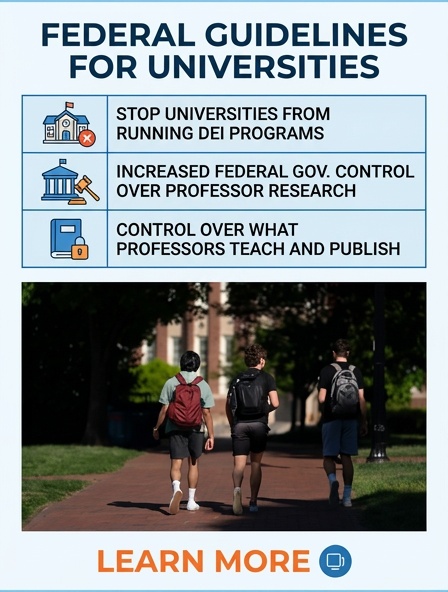
The Trump administration’s Department of Education has proposed a controversial set of regulations that could significantly alter the landscape of higher education in the United States. The new rules aim to curtail Diversity, Equity, and Inclusion (DEI) programs at universities and expand federal oversight over academic content, research, and faculty decisions.
Under the proposed guidelines, universities would no longer be permitted to implement DEI initiatives rooted in programs addressing racial, gender, or socioeconomic disparities. Critics argue that these measures, which have become central to many campus initiatives, foster inclusivity and critical discussions essential to modern academia.
Moreover, the rules would grant the federal government increased authority to scrutinize and potentially influence what professors teach, publish, and research. This shift marks a significant departure from the traditional university independence in academic matters, raising alarms among educators and civil liberties advocates who see it as a move toward political interference in scholarly pursuits.
Supporters of the regulations contend they are necessary to ensure academic neutrality, claiming that some DEI efforts may unintentionally promote divisiveness or racial bias. They also argue that the new rules align with broader efforts to emphasize free speech and prevent “politicized” curricula.
However, opponents warn that the regulations could lead to a chilling effect on academic freedom, stifle critical dialogue, and suppress research areas critical to addressing social inequalities. Universities risking federal funding might be reluctant to pursue certain research topics or implement inclusive programs, fearing repercussions or loss of support.
Legal analysts suggest that these rules could face multiple legal challenges, with critics promising to contest the measures’ constitutionality and their impact on First Amendment rights. As the policy is still in draft form, university administrators, faculty members, student groups, and advocacy organizations are mobilizing to voice concerns and seek modifications.
This move by the Trump administration underscores a broader debate about the role of government in shaping educational content and institutional policies. Critics worry that it signals a shift toward greater government control over academic expression, while supporters see it as a necessary step to preserve neutrality and prevent ideological bias.
As the regulations move toward finalization, the higher education community watches closely, aware that the outcome could reshape campus culture and academic research in profound ways. Whether these rules survive legal scrutiny or provokes reform remains to be seen, but it’s clear that the battle over academic freedom and diversity is far from over.
Where to Learn More
- New Education Rules Could Reshape College Campus Culture – The New York Times
- Critics Warn of Chilling Effect as New Federal Education Policies Emerge – The Washington Post
- Inside Higher Ed: The Implications of Federal Overreach in Higher Education
- American Association of University Professors: Defending Academic Freedom Amid New Regulations
- Legal Experts Prepare for Challenges Over New Education Rules