
In what could be a historic turning point in the fight to overhaul the influence of money in politics, Montana has launched a groundbreaking effort dubbed “The Montana Plan,” setting the stage to challenge the Supreme Court’s 2010 decision in Citizens United v. Federal Election Commission. This landmark case paved the way for unprecedented corporate and private funding in elections, raising concerns about the integrity of American democracy.
Citizens United is widely viewed as one of the most controversial Supreme Court rulings, enabling unlimited corporate and union spending in elections. Critics argue that it has drowned out the voices of everyday voters, giving disproportionate power to wealthy interests. Now, Montana’s innovative approach aims to do something potentially transformative: leverage state legislation to diminish the ruling’s influence and restore to states more authority over campaign finance matters.
The Montana Plan proposes to pass legislation establishing stricter campaign finance rules at the state level, including limitations on outside spending and increased transparency requirements. By doing so, Montana intends to create a legal framework that could stand as a precedent for other states seeking to reclaim their electoral independence. The plan envisions a coordinated effort among multiple states to mimic this approach, creating a patchwork of regulatory measures that could collectively challenge the dominance of Citizens United in shaping American elections.
Legal experts suggest that Montana’s strategy might open new pathways for states to circumvent or limit the effects of the Citizens United decision, especially if they successfully implement laws that conflict with or add restrictions beyond federal rules. While the Supreme Court’s rulings are binding nationwide, state-level actions can influence the broader legal landscape, especially when they are rooted in constitutional arguments emphasizing states’ rights and democracy preservation.
This movement has already gained significant momentum among progressive activists and reform advocates who see it as a tangible step toward reducing the outsized impact of money in politics. Supporters stress that empowering states with the authority to regulate campaign finance can serve as a crucial check against corporate influence and promote a more equitable democratic process.
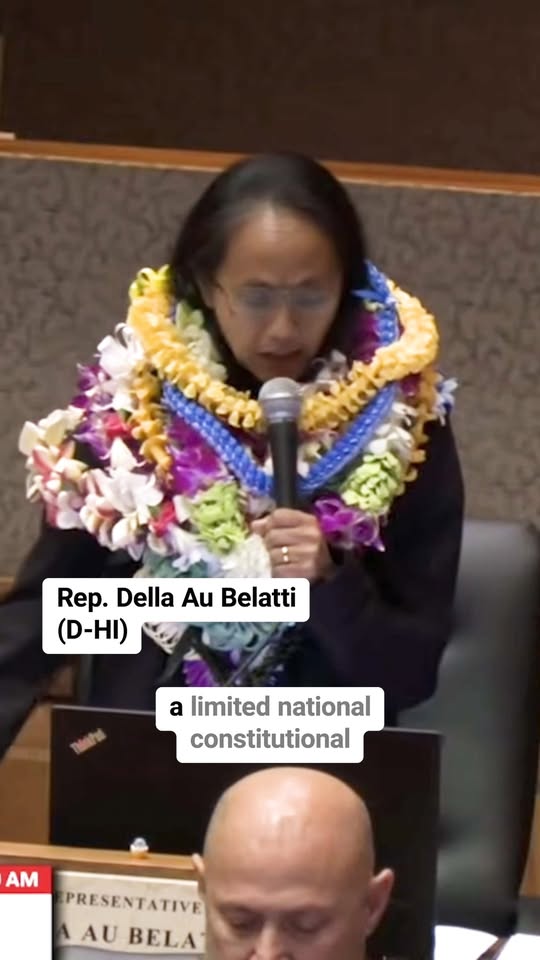
Many anticipate that if Montana’s effort proves successful, it could inspire other states—including Hawaii, which is currently exploring similar measures—to adopt comparable strategies. The ultimate goal is a nationwide movement that renders Citizens United’s influence obsolete, restoring the voice of the average voter and strengthening American democracy at its roots.
For citizens motivated to see reform, this effort underscores the importance of local activism, state legislation, and legal innovation. As the debate heats up, the question remains: Can states take back control from corporate interests and reshape the future of American elections? The coming months and years may hold the answer.