The Tooth Fairy Tradition Takes an Unexpected Turn
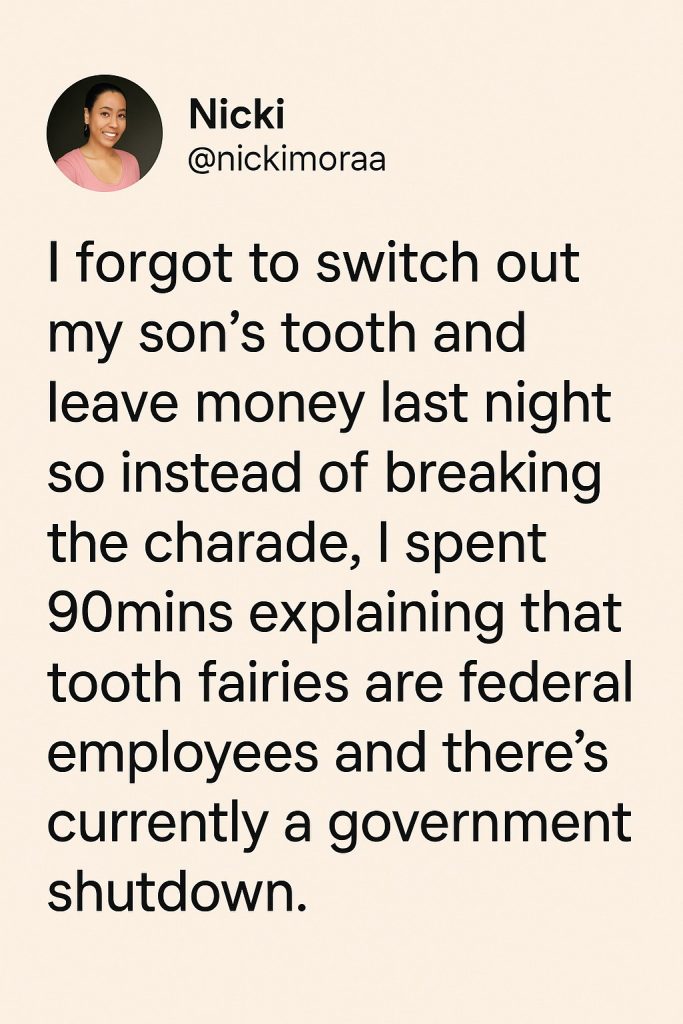
In a heartwarming and humorous moment shared across social media, Nicki Moráa found herself in a sticky — or rather, fairy dust — situation after forgetting to switch out her son’s lost tooth for the traditional cash reward. Rather than simply admitting her mistake, Nicki launched into a detailed, imaginative 90-minute explanation to preserve the magic of the Tooth Fairy for her child. Her story quickly struck a chord with parents worldwide, going viral and sparking conversations about the lengths parents go to keep childhood traditions alive.
“I forgot to switch out my son’s tooth and leave money last night,” Nicki tweeted, “so instead of breaking the charade, I spent 90 minutes explaining that the Tooth Fairy’s delays can sometimes happen, but she always makes it right.” This candid confession captured a relatable parenting fail turned into an opportunity for creativity and bonding.
For many families, the Tooth Fairy represents more than just a monetary exchange; it is a cherished ritual that celebrates growth and milestones in children’s lives. When circumstances threaten the tradition’s integrity, parents often find themselves improvising to maintain the enchantment. Nicki’s story exemplifies the lengths to which parents cherish preserving this magic, despite their own human moments of forgetfulness.
Turning a Missed Moment Into a Memorable Story
Instead of disappointing her son, Nicki crafted an engaging narrative that the Tooth Fairy had been delayed because she was dealing with a “tooth crisis” elsewhere and that the reward would come soon. The mother’s dedication to preserving the fantasy reportedly included answering her son’s follow-up questions about why some nights are different and reassuring him that fairy magic works in mysterious ways.
This creative approach not only kept the wonder alive but also turned into a bonding experience, reinforcing trust and imagination between mother and child. Such parent-led storytelling has long been considered a cornerstone in childhood development, encouraging creativity while nurturing emotional connections.
The Viral Response and Shared Parental Experiences
Nicki’s relatable tale quickly attracted thousands of comments, retweets, and shares. Parents from all corners of the internet chimed in with their own stories of Tooth Fairy mix-ups, Santa Claus dilemmas, and Easter Bunny blunders. The viral thread highlighted the universal challenges of parenting — balancing honesty with enchantment, and the occasional improvisation necessary to keep childhood magic vibrant.
Many praised Nicki’s honesty and commitment to preserving tradition creatively, reaffirming the notion that parenting is rarely perfect but always filled with memorable moments. Some suggested various creative “excuses” such as the Tooth Fairy’s “busy schedule” or “fairy dust shortages,” ideas that have evidently become a new parenting meme.
Why We Cherish Childhood Traditions
Childhood traditions like the Tooth Fairy are more than just fun; they serve as important rituals that mark developmental milestones and foster familial bonding. Psychologists note that maintaining these cherished myths can promote imagination, emotional well-being, and trust-building between parents and children.
Nicki’s story is a testament to the effort and creativity parents invest daily to create magical experiences for their kids, even when things don’t go as planned. It is a reminder that sometimes, the most memorable childhood stories come from imperfect moments filled with love and whimsy.
As Nicki’s viral post proves, sometimes a forgotten tooth and a missed fairy visit turn into a treasured tale — equally magical in its authenticity and the laughter it inspires.
Where to Learn More
- What the Tooth Fairy Means to Kids – Parents Magazine
- The Magic of Childhood Myths and Parent-Child Bonds – Psychology Today
- Parents Share Their Silliest Santa Claus, Tooth Fairy Mix-Ups – NBC News
- Mom’s Tooth Fairy Mix-Up Story Goes Viral – Scary Mommy