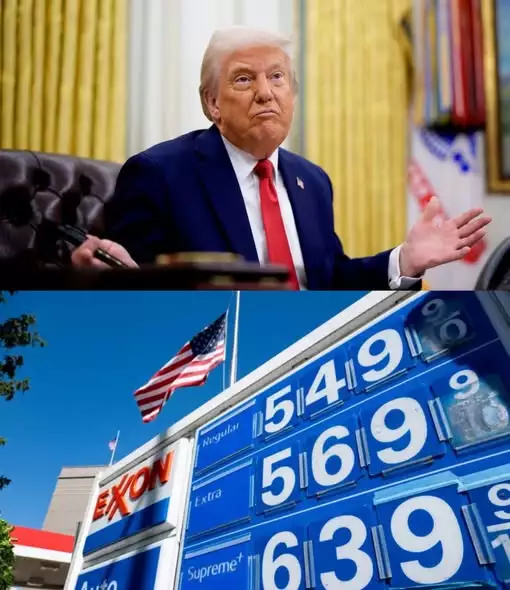
In a striking illustration of economic imbalance, a full eight-hour shift at the federal minimum wage no longer covers the cost of a single tank of gas in the United States. As of May 21, gas prices have surged to an average of $4.55 per gallon nationally — a roughly 54% increase since the recent escalation caused by geopolitical tensions with Iran and the closure of the Strait of Hormuz, which disrupted global crude oil markets.
States like California have seen prices soar even higher, peaking at $6.17 per gallon. In Washington, the average hit $5.77, while Hawaii grappled with $5.64. This staggering increase in fuel costs only highlights the growing disparity between American wages and living expenses.
Meanwhile, the federal minimum wage remains untouched at $7.25 per hour — a figure unchanged since July 2009, making it the longest stretch without a raise since the wage’s inception in 1938. At this rate, a minimum-wage worker earns about $58 before taxes per day, totaling approximately $15,080 annually. Shockingly, this income is now below the 2025 federal poverty threshold of $15,650 for a single adult.
What does this mean in practical terms? It means that a worker earning minimum wage cannot afford to fill their gas tank — a basic necessity for many. A 15-gallon tank, costing nearly $68 at current prices, exceeds what they take home in a full day’s work. This disconnect underscores the grim reality for millions of Americans whose livelihoods depend on driving to work.
For millions, especially those working in roles like home health aides or warehouse employees, remote work is not an option. They are essential workers doing exactly what our society demands — living paycheck to paycheck, only to be hit repeatedly by rising fuel costs, which chew into their already tight budgets.
Statistically, a full-time minimum-wage worker earns about $15,080 a year, falling below the poverty line and effectively trapped in a cycle that economic experts now refer to as a “poverty wage.” Despite a significant increase in worker productivity over the years, the federally mandated minimum has stagnated. Had wages kept pace with productivity, they would now be closer to $22 an hour.
Adding insult to injury, the recent spike in gas prices is a direct blow to working families. Fuel costs don’t wait for paychecks to catch up; they hit low-income households immediately, forcing difficult choices such as skipping essential expenses or risking missing work.
While Congress regularly finds trillions for military interventions, it seems uninterested in addressing the fundamental issues faced by working Americans. Critics argue that refusing to raise the minimum wage—despite the economic hardships caused by soaring gas prices—reveals a tragic disregard for the very people who keep the economy running.
As fuel prices remain high and wages remain stagnant, many Americans are left asking: When will those in power step up and ensure that a full day’s work actually pays off — literally? The historical promise of an honest life for honest effort appears more distant than ever for those earning the federal minimum.