
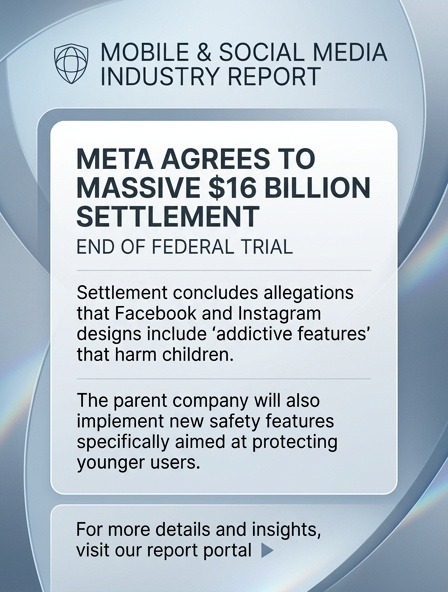
In a landmark development for digital privacy advocates and concerned parents, Meta Platforms Inc., the parent company of Facebook and Instagram, has agreed to a staggering $16 billion settlement to resolve a federal lawsuit accusing the social media giants of embedding addictive features that harm children. This historic deal marks a significant moment in the ongoing debate over social media regulation and user safety.
The lawsuit, which has been winding its way through the courts for months, alleges that Meta deliberately designed its platforms with features engineered to maximize user engagement — particularly among younger audiences — often to the detriment of their mental health. Critics have long argued that features like infinite scrolling, push notifications, and targeted algorithms foster compulsive usage, sparking anxiety, depression, and other mental health issues among children and teenagers.
According to sources on the case, the $16 billion settlement will not only provide financial compensation but also mandates a series of sweeping safety measures. Meta has agreed to implement new tools and protocols aimed at protecting vulnerable users, especially minors. These include stricter age verification processes, default privacy settings oriented toward safety, and innovative features designed to limit screen time for younger users.
Bill Melugin, reporting for FOX News, highlights that this agreement signals a major shift in how social media companies are held accountable for their platform’s impact on youth. “Meta is now committing to a proactive approach, integrating new safety features to help curb addictive usage patterns,” Melugin states. “This includes enhanced parental controls, time management tools, and AI-driven monitoring to flag harmful behavior.”
Meta’s Chief Security Officer, standing firm on the company’s behalf, underscores that “the company is fully committed to safeguarding its users, especially children, and believes that these new measures will create a safer online environment for the next generation.”
This settlement comes amid growing bipartisan pressure in Washington to tighten regulations on social media companies, emphasizing transparency and child protection. Critics praise the move as an essential step toward accountability but caution that ongoing oversight will be critical to ensure these commitments translate into genuine change.
While the financial implications are hefty, the broader impact could shape a new era of corporate responsibility within the tech industry. It also raises questions about future regulations and how other platforms might be required to modify their design to prioritize user well-being.
As the digital landscape continues to evolve, parents, educators, and policymakers will be watching to see if Meta’s commitments lead to meaningful protections, or if similar legal actions will follow against other tech giants accused of exploiting addictive design for profit.