
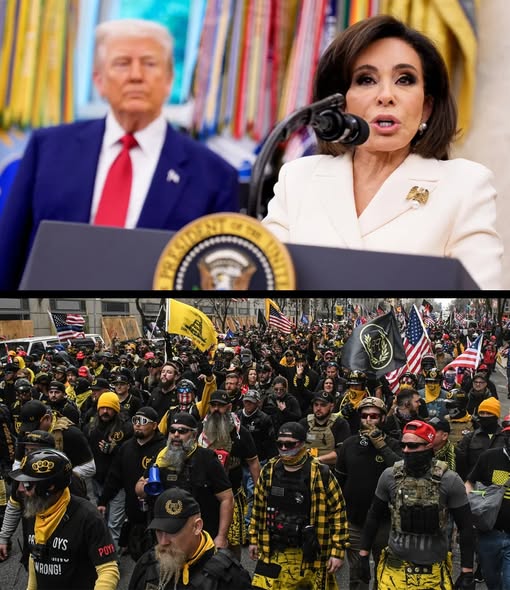
The fight over accountability for the January 6 Capitol riot took a startling turn this week, as the Biden-era Justice Department publicly requested a federal appeals court to vacate the seditious conspiracy convictions of high-profile figures associated with the Proud Boys and Oath Keepers. If successful, this move would effectively erase the criminal records of Enrique Tarrio, the Proud Boys leader sentenced to 22 years, and Stewart Rhodes, founder of the Oath Keepers, sentenced to 18 years—placing their convictions in the same realm as never having happened.
These convictions are not minor charges; they stem from substantial, evidence-based jury trials that confirmed these men orchestrated and participated in violent plots aimed at disrupting the peaceful transfer of presidential power after Donald Trump’s 2020 election loss. The juries, after weeks of deliberation, found these individuals guilty of seditious conspiracy, a rare and serious charge designed to deter attempts to overthrow a government through violence or insurrection. Their sentences reflected the gravity of their actions.
However, in a move raising eyebrows across the political spectrum, the Justice Department’s latest court filing suggests an effort not merely to pardon these men but to completely erase their convictions. This effort is notably led and signed by U.S. Attorney for D.C. Jeanine Pirro—an indication of how politically charged and prioritized this push has become within the department. The filing argues that vacating the convictions would “restore the individuals’ rights” and clear their criminal records, effectively nullifying their guilty verdicts and the serious findings of the jury.
The implications are profound. While a pardon simply exempts an individual from punishment without overturning the conviction, vacating a conviction goes much further—it erases the record entirely, removing the legal acknowledgment of guilt, restoring civil rights such as gun ownership, and eliminating potential civil liabilities linked to the initial charges. This is a form of legal and historical erasure, raising concerns among onlookers, legal experts, and critics across the political spectrum.
Critics argue that this move undermines the rule of law and trivializes the judicial process that, after fair trials, held these individuals accountable for their actions. “This isn’t just about mercy or clemency,” said legal analyst Lisa Mahoney. “It’s about rewriting history and, in effect, pretending these events never occurred.” Others warn that such efforts could set a dangerous precedent, blurring the line between justice and political manipulation.
Adding fuel to the controversy is the fact that former President Donald Trump had already issued clemency for these individuals back in January as part of a broad presidential pardon list that covered more than 1,500 Jan. 6 defendants. Critics see this recent push as an extension of that effort to completely exonerate and erase the consequences of their actions, effectively reversing the impact of a jury’s verdict after months of legal procedure.
The episode underscores ongoing debates about accountability, justice, and political influence over the legal process. As the legal battle unfolds, many are left questioning whether this is an isolated legal maneuver or a troubling shift toward erasing the historical record of one of the most turbulent moments in recent American history.
Where to Learn More
- DOJ Seeks to Vacate Seditious Conspiracy Convictions for Jan. 6 Rioters – The New York Times
- Justice Department Moves to Erase Convictions of Proud Boys and Oath Keepers Leaders – The Washington Post
- Justice Dept. Asks Court to Vacate Jan. 6 Conspiracy Convictions in Controversial Move – Reuters
- The Fight to Erase the Record of January 6 Convictions – ProPublica