
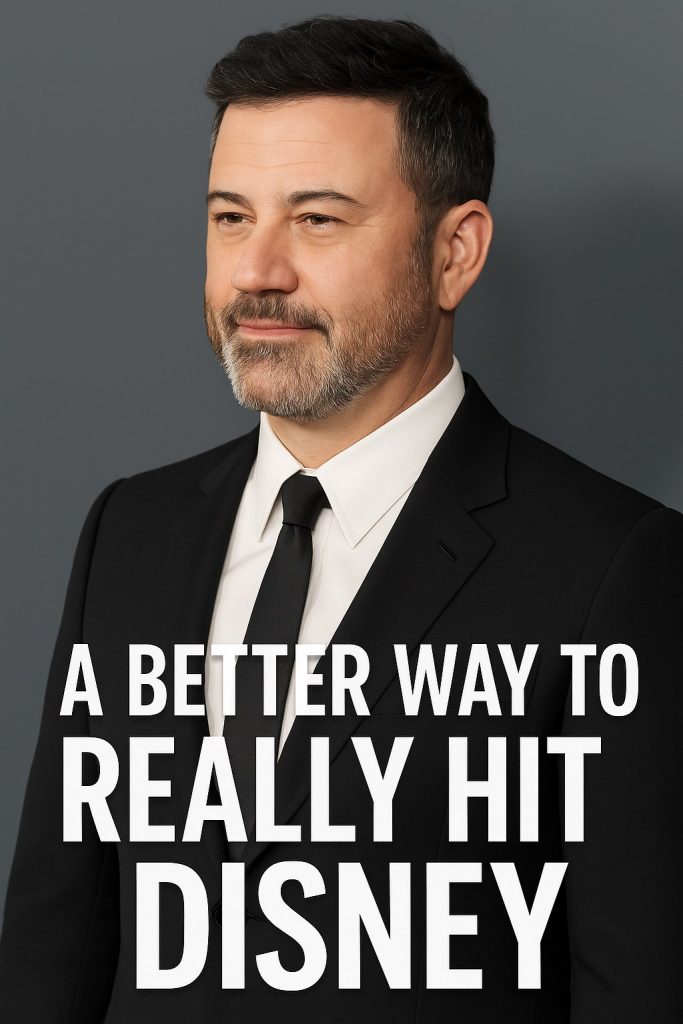
In the ever-evolving landscape of social media activism, the latest buzz has erupted over Disney’s decision to remove late-night host Jimmy Kimmel from its programming lineup. Discussions about a potential boycott have quickly gained traction among many on the political left, who view this decision as a direct affront to free speech and progressive values. However, some activists argue that a boycott may not be the most effective way to voice their dissent. Instead, they propose a more strategic approach to hold the entertainment giant accountable.
The decision to take Kimmel off the air has been met with backlash as supporters believe it undermines the spirit of comedy as a critical platform for political discourse. Kimmel, known for tackling hot-button topics while infusing humor, has gained a following that spans diverse political views. His absence has many worried about the implications for artist expression within mainstream media.
While boycotts have historically been used as powerful tools to sway corporate practices, some argue that they can be double-edged swords. Critics of the boycott strategy suggest that simply withdrawing support may not lead to the desired change. Instead, they recommend targeting Disney’s public image through sustained, vocal campaigns, as well as focusing on shareholder activism.
One actionable alternative proposed is to mobilize a grassroots movement aimed at raising awareness about the implications of Kimmel’s removal and advocating for changes in the company’s programming policies. By leveraging social media platforms, activists can garner support and pressure Disney from the inside out. Creating viral hashtags, organizing letter-writing campaigns to executives, and sharing petition links are all strategies that engage a wider audience without the outright withdrawal of support.
Additionally, aiming for shareholder activism could prove more effective than a blanket boycott. Individuals who invest in Disney or hold shares can advocate for changes during annual meetings or through direct communication with company leadership. This approach encourages constructive dialogue rather than punitive measures, allowing consumers to express their concerns while maintaining their role as stakeholders in the company’s success.
The buzz surrounding Disney and its programming shifts underscores a larger conversation about the role of corporations in shaping cultural narratives. As public sentiment over the treatment of voices in the entertainment industry swells, observers are left wondering whether those in power will truly listen or merely weather the storm of backlash. Engaged consumers may find that holding a corporation accountable calls for more than simply withdrawing their support; it requires thoughtful, concerted efforts that push for meaningful dialogue and change.
In navigating this complex context, those concerned about Kimmel’s fate at Disney can engage with the narrative in a way that advocates for artistic freedom while still participating in the media ecosystem they cherish. The movement for change does not always need to start with a boycott—it could be as simple as starting a conversation.
Where to Learn More
- Jimmy Kimmel Exits Late-Night Slot – Hollywood Reporter – The Hollywood Reporter
- Disney’s Dilemma: Voices Against Boycotts – Vanity Fair – Vanity Fair
- Boycotts and their Impact on Disney – Forbes – Forbes