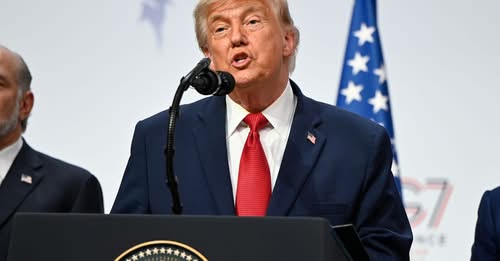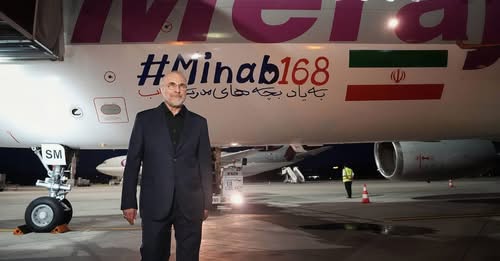
In a dramatic turn that has raised tensions on the global diplomatic stage, Iranian negotiators abruptly exited peace talks amid reported threats from former U.S. President Donald Trump. The move, described as a significant blow to ongoing diplomatic efforts, signals a deepening rift and growing frustration over what Iran perceives as intimidating tactics.
According to Iran’s chief negotiator, the decision to walk out was fueled by what they called “insulting threats” from the former U.S. leader. “Don’t they think that if their threats had worked, they wouldn’t have ended up in today’s desperate situation?” he stated, highlighting Iran’s belief that such intimidation tactics are futile and only serve to undermine diplomatic negotiations.
The peace talks, aimed at resolving longstanding disputes over Iran’s nuclear program and easing economic sanctions, have faced numerous hurdles over the years. However, the recent escalation in rhetoric has intensified the crisis. Experts suggest that Trump’s comments, which included veiled threats and aggressive language, have made Iran feel cornered, prompting the decision to withdraw temporarily from the negotiation table.
This move underscores the fragility of diplomatic efforts between Iran and Western powers, particularly amid a tense geopolitical landscape. Iran has repeatedly emphasized its desire for dialogue and a peaceful resolution to disputes, but many analysts argue that aggressive rhetoric hampers progress and diminishes trust between the parties.
While the specifics of Trump’s threats remain undisclosed, diplomatic sources suggest they were perceived as provocations, leading Iran to question the sincerity of negotiations. Iran’s chief negotiator also pointed out the irony that aggressive tactics have historically failed in resolving complex international issues. “If threats truly worked, countries wouldn’t find themselves in such desperate situations,” he added.
International observers warn that this break in talks could delay potential agreements, impacting regional stability and global diplomacy efforts. Many hope that both sides will recognize the importance of dialogue based on mutual respect rather than intimidation, and return to negotiations with a renewed commitment to peace.
As the world watches anxiously, the incident serves as a stark reminder of how personal insults and aggressive posturing can derail diplomatic progress. The coming weeks will be critical to see whether Iran and its negotiating partners can overcome this setback and find common ground.