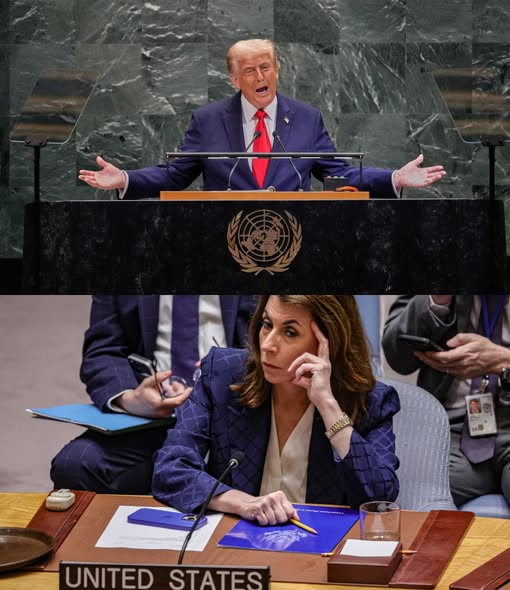
The recent United Nations General Assembly vote has sent shockwaves around the world, marking a stark divide in global climate leadership. In a decisive 141 to 8 vote, countries affirmed a groundbreaking resolution backing a World Court opinion that explicitly states nations have a legal obligation to combat climate change. This historic vote underscores the growing consensus that climate accountability must be enshrined in international law. However, the United States—traditionally a leader in global diplomacy—abstained from this collective stance, joining an unlikely lineup of nations including Saudi Arabia, Russia, Iran, Israel, Yemen, Liberia, and Belarus.
Among the 8 countries voting “no,” the United States stood out—not only because of its size but because of its historical contributions to the climate crisis. As the world’s largest emitter of greenhouse gases, U.S. policies have often been at odds with international efforts to curb carbon emissions. The decision to oppose the resolution has drawn widespread criticism, especially given the U.S. administration’s recent efforts to leverage diplomatic influence to derail the vote. Reports from the Associated Press indicate that prior to the vote, the Biden administration faced pressure to try and persuade other nations to withdraw their support for the resolution, highlighting the political stakes at play.
This stance contrasts sharply with the positions of nations like Australia, France, Germany, the United Kingdom, and the remaining 137 countries that stood in support of holding polluters accountable. These nations recognize the urgent need for legal commitments to address a crisis that threatens the very existence of vulnerable communities around the world.
The resolution was initiated by Vanuatu, a Pacific island nation on the frontlines of climate change. Their UN ambassador made a poignant plea before the vote, emphasizing that the destruction was “real and it is already here.” For island nations such as Tuvalu and Nauru, climate change isn’t an abstract future scenario—it’s an immediate existential threat. Tuvalu’s population, for instance, has already seen over a third seek visas to migrate permanently abroad, as rising seas threaten to swallow their homeland. Nauru has resorted to selling passports to wealthy foreigners in a bid to raise funds for potential relocation of its citizens.
Amid this crisis, the political stance of the U.S. raises questions about its willingness to prioritize fossil fuel interests over global environmental responsibility. Earlier efforts by the Trump administration to undermine the Paris Agreement and promote fossil fuel extraction continue to influence American climate policy. This resistance to legally binding climate obligations signals a troubling alignment with oil-producing nations and autocrats who oppose accountability measures, effectively choosing corporate and political interests over planetary health.
The divide exposed by the UN vote underscores a growing global consensus: climate change is not just an environmental issue but a matter of international law and human rights. The world’s response suggests that while many nations are prepared to stand up for future generations, others—under the sway of fossil fuel interests—remain on the wrong side of history. The question now is, will the U.S. reconsider its stance, or will it continue to align with a shrinking minority resisting accountability?