
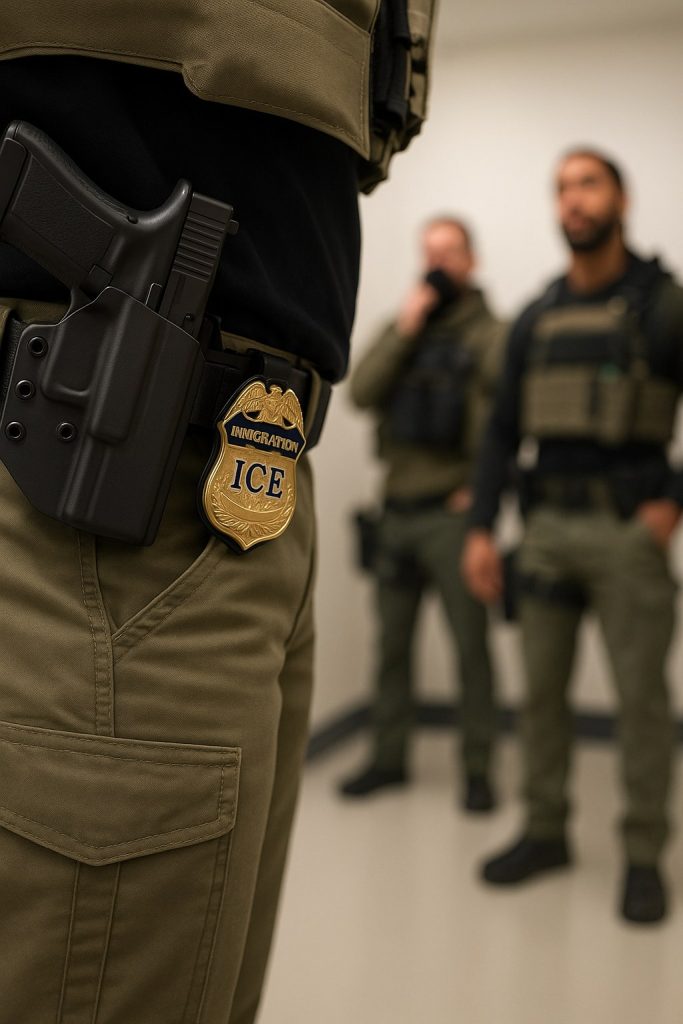
In recent months, an alarming trend has emerged across various U.S. communities: the palpable silence following ICE (Immigration and Customs Enforcement) raids is resonating deeply within neighborhoods traditionally vibrant with life and celebration. Beyond the significant economic impact that these raids have wrought, they are shaking the very foundations of community structures, leading to a wave of anxiety and loss that is tearing families apart.
Witnesses from different parts of the country are reporting streets once filled with laughter and bustling shops now eerily quiet. Local businesses—often family-owned—are witnessing drastic drops in foot traffic, as families are too frightened to venture outside. “You can feel the heaviness in the air,” says Maria Gomez, a community leader in Austin, Texas. “It’s as if the heart of our neighborhood has been ripped out.”
Ice raids, which have been intensifying under certain political administrations, are not just episodes of enforcement; they are traumatic events that leave lasting scars. Families, fearing separation or deportation, are cancelling celebrations, such as birthdays, graduations, and community festivals—traditionally cherished gatherings that foster a sense of connection and belonging. “We’ve had to cancel several family dinners, weddings, and even a quinceañera because we’re afraid someone might get taken,” shares Adriana, a mother of two who requested anonymity for safety reasons. “It’s heartbreaking; we live in constant fear.”
This cultural and economic upheaval, experts believe, is not just a temporary setback. The long-term implications of these actions can lead to a decline in community cohesion and trust in local institutions. Businesses that rely on immigrant customers are struggling under the weight of fear; many have had to close their doors permanently. Surviving businesses report that even regular patrons are hesitant to visit out of fear of being targeted.
Reports indicate that the economic ramifications can be severe. According to studies from the American Progress, affected communities could see a reduction in productivity and a decline in property values, creating a vicious cycle of hardship. The erosion of trust between immigrant communities and local law enforcement only exacerbates the situation, as residents become increasingly wary of authorities.
Many advocates argue that the policies leading to these raids create an unaccountable system of fear rather than safety. Concerns have been raised about the lack of oversight regarding the practices and procedures used by ICE, as communities find themselves under siege without clear justification or understanding. Advocacy groups are calling on lawmakers to reconsider current policies aimed at crackdown, urging for a holistic approach that addresses economic and social wellbeing instead of enforcement alone.
As families seek ways to navigate this crisis, mutual aid networks and community organizations are stepping up to provide support. These grassroots initiatives are fostering resilience and solidarity, demonstrating that even in the face of fearful times, communities can find strength together. “We’re trying to look out for each other, to make sure we know who needs help. It’s about surviving this as a community,” says Gomez.
The rhetoric surrounding immigration continues to be heated, but the human stories behind the statistics reveal the profound human cost of these policies. The silence that hangs over the streets post-raid highlights not just the threat of deportation but the devastating toll on family bonds and community life. This is a call to action to examine the policies that tear apart the fabric of our communities and to prioritize compassion and unity over division and fear.
Where to Learn More
- The Economic and Social Impact of ICE Raids – American Progress
- How ICE Raids Impact Immigrant Communities – NPR
- The Toll of ICE Raids on Families and Communities – The Washington Post
- The Impact of ICE Raids on Local Communities – Migration Policy Institute