
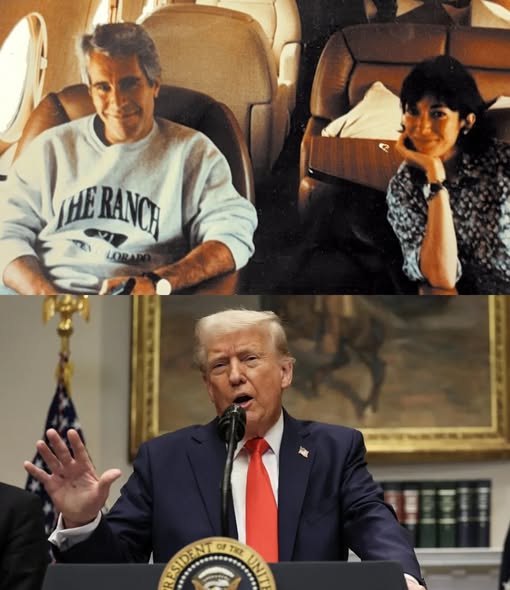
In a startling development that has sent shockwaves through political and social circles, reports indicate that some Republicans on the House Oversight Committee are considering the unprecedented move of supporting a presidential pardon for convicted sex trafficker Ghislaine Maxwell. According to committee Chairman James Comer, certain members are open to the idea of a pardon for Maxwell in exchange for her cooperation in their ongoing investigation into Jeffrey Epstein.
Comer, who publicly opposes such a move, revealed to Politico that the notion is floating around within his committee, citing that some Republicans see Maxwell’s potential testimony as a way to clear two high-profile figures—specifically naming former President Donald Trump and former President Bill Clinton. Maxwell’s lawyer has already publicly stated that both men are innocent of any wrongdoing, asserting, “Ms. Maxwell alone can explain why,” at her deposition. Yet, sources suggest some GOP members see her as a potential untapped resource—one who could provide a “cooperation” that might serve political agendas rather than justice.
This revelation comes amid a broader political climate characterized by deep divisions. As gas prices soar above $4 per gallon, the country grapples with economic uncertainty, and leaders are avoiding addressing the concerns of disabled veterans. Meanwhile, some House Republicans are seemingly willing to trade justice for what they perceive as strategic advantages, raising ethical questions about the priorities of this Congress.
Ghislaine Maxwell was convicted in December 2021 on five federal charges, including sex trafficking minors. Sentenced to 20 years in prison, she was described by prosecutors as showing “an utter lack of remorse” for her crimes and was the only person criminally convicted for aiding Jeffrey Epstein in his child exploitation ring. Her conviction was validated by a jury and upheld through federal courts, cementing her role as a key figure in a notorious sex trafficking scandal.
Despite her imprisonment, Maxwell’s ongoing legal battles involve her invoking the Fifth Amendment repeatedly during subpoenas. Her legal team has offered a trade—testimony that could potentially clear two powerful political figures, allegations her own lawyer has dismissed as baseless. This turn of events has ignited controversy, especially as some Republicans openly entertain the idea of pardoning her, potentially undermining the pursuit of justice for Epstein’s victims.
Notably, Democrat Rep. Robert Garcia, the top Democrat on the committee, responded swiftly, condemning the development: “Oversight Dems are united in opposing a pardon for Ghislaine Maxwell. It’s outrageous that any Republicans on our committee would consider this.” His statement underscores the widening partisan divide over how to handle high-profile cases of child trafficking and the legacy of Epstein’s scandal.
What this episode reveals is chilling—a glimpse into an era where political expediency, not justice, may be taking precedence. Maxwell was convicted for her role in recruiting and grooming underage girls, a heinous crime that she was held accountable for by a jury of her peers. Now, some in Congress appear willing to put her freedom ahead of justice, trading critical testimony in what critics call a “purchase of an alibi” for political protection of prominent figures.
The implications are profound. As the nation watches, the question remains: Will justice for Epstein’s victims be sacrificed on the altar of political gain? Or will the legal process prevail despite troubling signals of impropriety from members of Congress? The coming weeks will likely determine whether this troubling trend continues or if accountability for these grave crimes finally prevails.