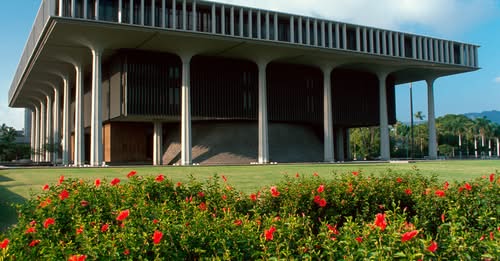
In a groundbreaking development that could reshape political campaign funding in the United States, Hawaii is on the brink of becoming the first state to take proactive legal action to ban corporate money from influencing elections. Legislation known as S.B. 2471 is poised for passage, and what makes this move particularly notable is that the legal questions it raises have surprisingly straightforward answers, according to recent social media discussions and legal experts.
What is S.B. 2471? The bill aims to restrict corporate expenditures and contributions in state elections, effectively preventing corporations from funneling money into political campaigns. This bold legislation is rooted in the broader movement advocating for increased transparency and reduced undue influence by large corporations and special interest groups in democratic processes.
As debate intensifies, questions have emerged about the legal viability of such restrictions—particularly given the influential 2010 Supreme Court decision in Citizens United v. Federal Election Commission, which held that corporations have a First Amendment right to spend money on political speech. However, legal analysts point out that Hawaii’s approach hinges on state-specific provisions and the unique authority of the state to regulate elections within its jurisdiction.
Recent social media trends highlight the simplicity of these legal questions. Advocates contend that states like Hawaii are well within their rights to enact laws that limit or ban corporate contributions, especially when those laws are carefully tailored to comply with constitutional standards. The key lies in demonstrating that such restrictions serve the important government interest in protecting the electoral process from corruption and undue influence, a test known as “strict scrutiny.”
Legal experts also emphasize that Hawaii’s legislation is distinct from federal laws and emphasizes transparency and fairness at the state level. The legislation will likely face legal challenges, but many believe those hurdles are surmountable, particularly given the clarity on constitutional grounds now available, thanks to recent interpretations and social media discussions.
If enacted, Hawaii’s move could set a precedent for other states to follow. It signals a growing momentum among state legislatures seeking to reassert control over their electoral processes and curb the dominance of moneyed interests. However, the journey through courts remains uncertain, but according to legal analyses, the arguments in Hawaii’s favor are rooted in solid constitutional principles.
As Hawaii steps closer to this historic move, the eyes of the nation are watching. Whether this will lead to a significant shift in campaign finance law or push the boundaries of constitutional interpretation remains to be seen. What is clear, however, is that the question of a state’s authority to regulate its elections in the interest of democratic integrity now stands on firmer legal ground.
Where to Learn More
- 7 FAQs About Hawaii’s S.B. 2471 — The Path Toward Draining Corporate Money from Elections – Popular Mechanics
- Legal Analysis of State Efforts to Limit Corporate Contributions — CourtListener
- Hawaii Moves to Ban Corporate Spending in Elections — New York Times
- Campaign Finance Laws and the First Amendment — Brennan Center for Justice