
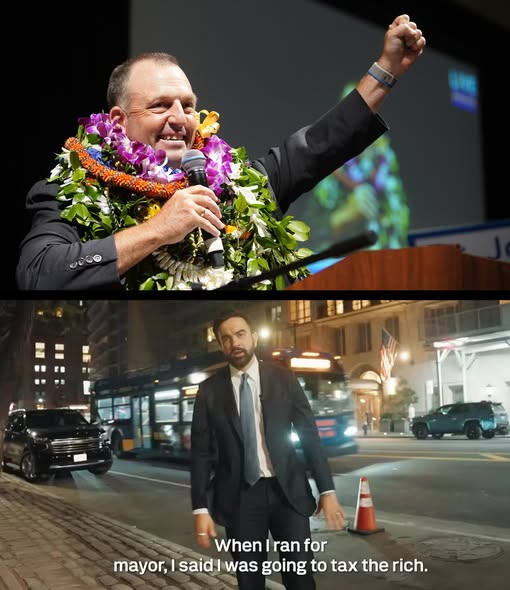
In a bold and unprecedented move, Hawaii is charting its own course in the face of federal austerity, enacting a new tax policy aimed at the state’s wealthiest residents. While the Trump administration recently announced the withdrawal of approximately $3 billion in federal support—impacting vital programs across Hawaii—Governor Josh Green has signed into law a pioneering measure that directly challenges Washington’s austerity by implementing a 13% income tax on every dollar earned above $1 million.
This decisive action is more than mere economic policy; it’s a statement of resilience. Hawaii’s own government confirmed that the new law was specifically designed to address a projected revenue shortfall, which federal cuts are expected to cause. Rather than resorting to service cuts for food security, childcare, and healthcare—the very programs that constitute the backbone of community well-being—the state chose to ask its wealthiest residents to shoulder more responsibility.
“This isn’t about punishing success,” said Governor Green. “It’s about ensuring that we, as a community, prioritize our most vulnerable and protect the public services that everyone depends on.”
In addition to the new tax, Hawaii’s legislation preserves previous tax cuts passed in 2024 for joint filers earning up to $350,000 and single filers earning up to $175,000. As a result, roughly 90% of Hawaii families will see no tax increase, illustrating a balanced approach that targets only the highest earners without burdening the majority.
The move echoes policies seen in other blue states, notably New York City, where progressive advocates like Zohran Mamdani have made taxing the wealthy a cornerstone of their fiscal strategies. The philosophy is simple: when the federal government backs away from its responsibilities, states and localities can’t afford to cut corners—so instead, they look upward for revenue, choosing to ask those with the greatest resources to contribute more.
“It’s just math,” says political analyst Sarah Kim. When federal support falters, the solution isn’t to downsize for everyone, but to rely on the income pyramid’s top tier. Hawaii’s new law sets a blueprint that other jurisdictions may follow in times of fiscal crisis.
As Hawaii boldly redefines its fiscal future, this move sends a powerful message: states have options. Even in the face of federal austerity, communities can choose resilience over austerity, equity over sacrifice—by simply looking up the income ladder for revenue and not down.
Where to Learn More
- Hawaii lawmakers sign historic wealth tax to bridge federal funding gap – Honolulu Star-Advertiser
- Hawaii’s new tax targets wealthy to offset federal cutbacks – CNN
- Hawaii’s Bold Tax Move: Protecting Services by Taxing the Ultra-Rich – The New York Times
- Hawaii Faces $3 Billion Federal Support Loss, Turns to Wealth Tax – Bloomberg