
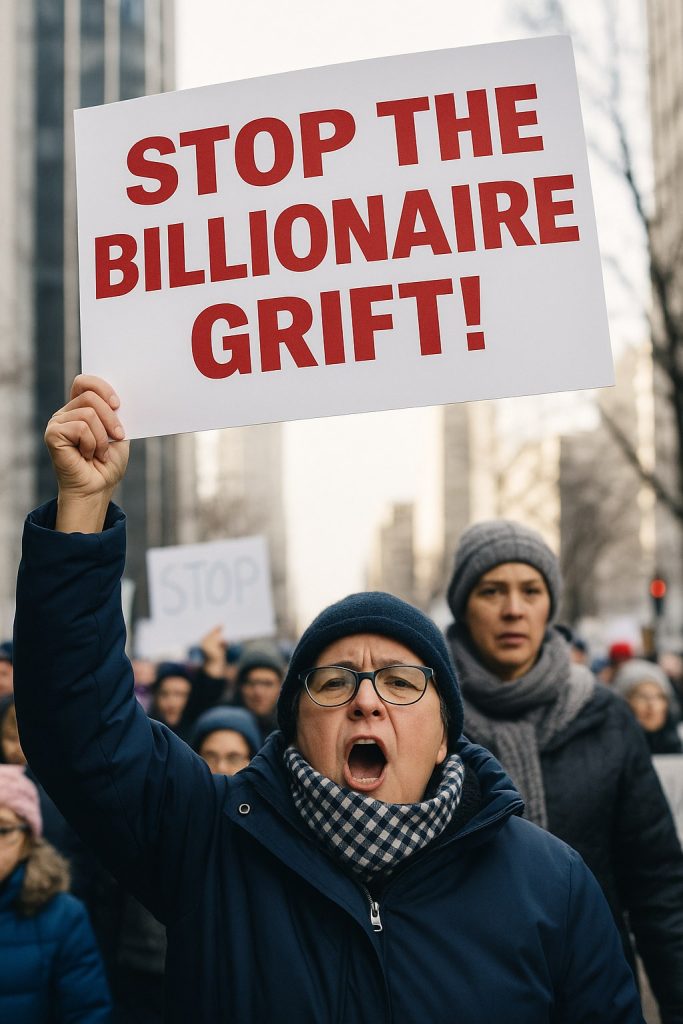
In an era characterized by extreme economic disparity, a growing chorus of voices is calling for a government that prioritizes the needs of working people over the interests of powerful banking and technology conglomerates. Social media platforms are buzzing with hashtags and messages promoting equitable representation, underscoring the urgent need for systemic change that stands in stark contrast to the status quo, where corporate influence often supersedes the concerns of everyday citizens.
The call for governmental oversight supporting the working class, rather than the interests of a privileged few, stems from an observable trend where policies widely favor large financial institutions and tech companies. Recent scrutiny has emerged around legislative decisions that appear to overlook the financial burdens faced by ordinary workers. Advocates argue that the ability of these large entities to shape policy often results in a neglect of fundamental labor rights, fair wages, and adequate worker protections.
Statistical data only reinforces this sentiment. A recent report from the Economic Policy Institute revealed that wage growth for middle-class workers has stagnated, while the profits of major corporations have soared to unprecedented heights. The contrast is stark; while banks and tech giants continue to amass wealth, many families are struggling to make ends meet. This disparity highlights the growing disconnection between corporate priorities and the reality faced by working Americans.
Grassroots movements are harnessing the power of social media to amplify their message. Platforms like Twitter and Instagram are flooded with stories from workers struggling against unfriendly employment policies. Campaigns demanding fair pay, benefits, and job security have garnered tens of thousands of shares, creating a digital storm calling for legislative action. This collective online presence pressures lawmakers to consider working-class interests and strive for a more balanced economic landscape.
Legislation is crucial to bridge this gap. Campaigners suggest that implementing worker-centric policies — such as stronger labor laws, a higher minimum wage, and more comprehensive benefits — should be the government’s new priority. Additionally, advocates are calling for greater regulation of large financial institutions to prevent practices that exploit the economically vulnerable. Many agree that accountability and transparency need to be integral parts of the dialogue between government and the economy.
Support for these initiatives is not just limited to individuals; various labor unions, advocacy groups, and even some political leaders have stepped up to the plate, urging the government to recalibrate its priorities. “It’s time for our representatives to listen to us, not the lobbyists and corporate sponsors,” stated an activist in a viral post that has captured the attention of thousands.
In light of these developments, the question remains: Will politicians heed the call of their constituents? As public sentiment shifts increasingly towards prioritizing workers over corporations, the onus is on government officials to act. How they respond could determine the future economic landscape for millions of working Americans.
Where to Learn More
- Wage Stagnation in the 21st Century – Economic Policy Institute
- Why Workers Are Mobilizing – The New York Times
- The Importance of Protecting Working-Class People – Forbes
- The Challenges Facing American Workers – Brookings Institution