
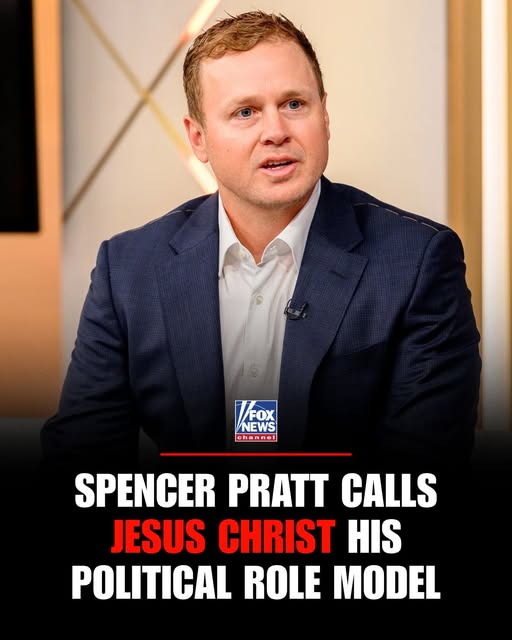
In a surprising turn of events, Spencer Pratt, best known for his reality TV stardom on the hit series The Hills, has declared Jesus Christ as his ultimate political role model. Pratt, who is now stepping into the political arena by running for mayor of Los Angeles, drew widespread attention after making this bold statement during a recent social media interview.
When asked about modern politicians he admires or considers role models, Pratt was quick to clarify his stance. “No, I’m not a politician,” he stated. “I don’t want to be a politician. I want to be a fighter for the people.” This candid response underscores his desire to bring a different approach to public service—one rooted in faith and personal principles rather than traditional political ambitions.
The TV personality’s praise for Jesus Christ has sparked a flurry of reactions online, with some praising his honesty and devotion, while others question whether a religious figure should serve as a political inspiration. The statement notably challenges the typical political landscape, which is often characterized by strategic alliances and ideological divides instead of spiritual guidance.
Pratt’s declaration also raises interesting discussions about the intersection of faith and politics, especially within the context of Los Angeles—a city known for its diverse population and complex social issues. As he embarks on his mayoral bid, many are curious whether his religious influences will shape his policy proposals and governance style.
Despite not considering himself a politician, Pratt emphasizes his commitment to representing the interests of Los Angeles residents. “I want to be a fighter for the people,” he reiterated, hinting at a campaign centered on advocacy, community engagement, and perhaps a spiritual approach to leadership.
This unconventional candidacy and statement have quickly made headlines, heating up conversations about faith, politics, and authenticity in public service. Whether Pratt’s religious sincerity translates into political success remains to be seen, but his bold intervention underscores that, in modern politics, unconventional voices can and do find an audience.