
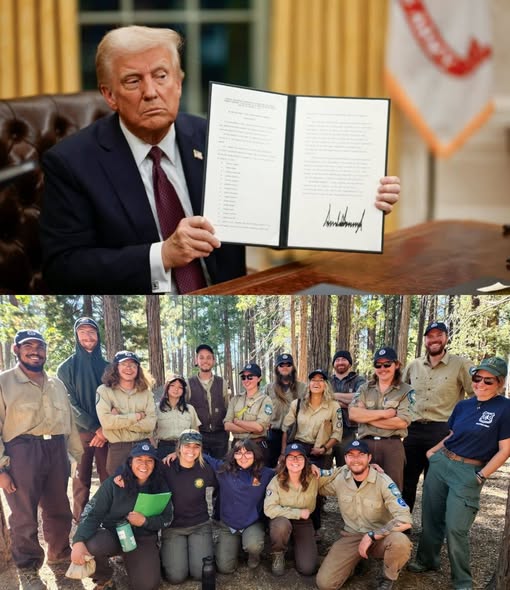
The U.S. Forest Service is at a crossroads, facing a dramatic overhaul that threatens to dismantle decades of crucial ecological research. As detailed in recent reports by NPR, the agency’s proposed 2027 budget zeroes out all federal funding for forest research — a staggering loss of **$309 million** that would shutter more than half of its research stations, including some that have served as vital scientific outposts for generations.
Among the most controversial aspects of this initiative is the proposal to shutter research stations situated in some of the most ecologically significant and culturally treasured areas in the country. For example, the forest research station in Hilo, Hawaii, occupies 30,000 acres and rents its premises for a *one-dollar* fee locked in until 2067. Similarly, Michigan Tech has maintained a research lease since 1963 for only a dollar, free ever since. Other sites are leased for modest sums—$600 monthly for two rooms—yet now face closure as part of broader budget cuts.
In stark contrast to these nominal lease costs, the plan envisions relocating scientists and their work into a massive federal office in Fort Collins, Colorado, which costs taxpayers approximately **$1 million a year**—a stark increase from the current spending on research leases. Officials argue this shift would “streamline operations,” but critics see it as an unjustifiable waste of public funds and a step toward dismantling America’s ecological monitoring systems.
The research community is alarmed. Many scientists have vowed to resign should they be forced to relocate, noting that their work is inherently tied to specific ecosystems that cannot be managed or studied from cubicles in Colorado or Utah. “You can’t FedEx a forest,” one researcher told NPR, emphasizing that these ecosystems—whether in Hawaii, Michigan, or the American West—require sustained, long-term study that cannot be transported or condensed into corporate-style offices.
The timing of these cuts is particularly troubling. Former President Donald Trump has publicly committed to increasing logging on federal lands, promising to boost resource extraction. Yet, coupled with the elimination of forest research, critics argue this signals a dangerous agenda: gutting the science that monitors environmental damage, tracks invasive pests like the mountain pine beetle, and supports sustainable forest management.
Without diligent research, there’s no accountability or early warning system when forests are clear-cut or ecosystems are pushed to their breaking point. The destruction of these scientific resources—especially the long-standing leases that cost next to nothing—is seen by many as a move to obscure the impact of industry expansion and to facilitate profit-driven exploitation of America’s natural heritage.
The forests don’t belong to any politician or corporation—they belong to **all Americans**,” advocates stress. For generations, families have hiked, hunted, and found solace beneath the canopy of ancient trees. These areas are sacred, living legacies that must be preserved—not sacrificed for budget cuts or corporate interests.
As debate heats up around these proposed cuts, the question is clear: will the nation protect these irreplaceable ecosystems and the scientists who safeguard them? Or will this be a betrayal of the natural heritage that defines America? The choice—and the consequences—are in the hands of the public.