
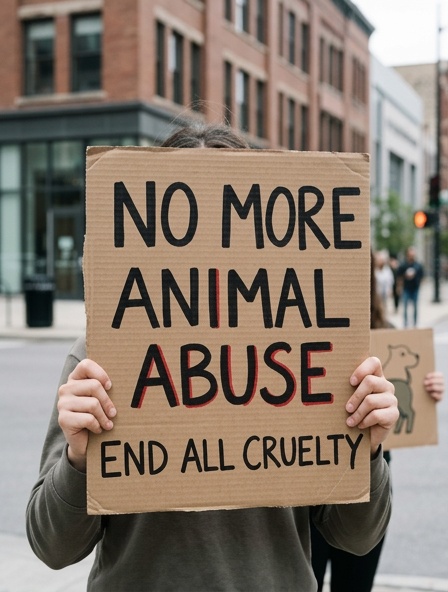
In recent months, social media campaigns have spotlighted a harsh truth that many overlook: force feeding is not an act of kindness; it’s a form of violence. Whether inflicted on animals or humans, the practice perpetuates suffering under the guise of compassion, and urgent action is needed to end this brutality.
Traditionally, force feeding has been associated with certain medical treatments or cultural rituals. Yet, increasingly, it is being exposed as a harmful act masked as care. Animal rights activists have long criticized forcing food down the throats of vulnerable creatures—such as poultry, pigs, or laboratory animals—arguing it causes pain, distress, and permanent injury. Animal suffering is often overlooked or dismissed in farms or research facilities, but mounting evidence and survivor testimonies reveal a stark reality: force feeding inflicts trauma, with little regard for the life it destroys.
But the cruelty extends beyond animals. Human rights violations also come into focus when we examine force feeding in contexts like hunger strikes—most notably, political prisoners and dissenters facing relentless suppression. In such situations, force feeding is sometimes justified by authorities as a means to preserve life. However, medical experts and human rights organizations argue that it constitutes torture and assault, violating individuals’ bodily autonomy and compounding their suffering.
This practice’s harmful impact is ethically clear. Many health professionals warn that force feeding causes physical injuries—perforated organs, infections, and severe pain—and emotional trauma that can persist long after the act. Recognizing the distinction between compassionate care and cruel force is vital; true kindness respects the dignity and rights of living beings, rather than inflicting harm in the name of rescue or prevention.
The social media campaign #StopForceFeeding has gained momentum, urging policymakers, corporations, and individuals worldwide to reconsider and eliminate this inhumane practice. Advocates stress the importance of compassionate alternatives—like humane treatment, emotional support, and proper medical intervention—that honor the wellbeing of all living creatures.
As public awareness grows, so does the call for legal reforms. Several countries have already moved to ban or restrict force feeding, recognizing it as a violation of animal rights and human dignity. Yet, enforcement remains inconsistent, and broader societal change depends on collective action and ongoing education.
Ending force feeding is no longer just a moral imperative; it is a fundamental step toward building a more compassionate and just society. By rejecting violence disguised as kindness, we affirm that genuine care involves respect, empathy, and the cessation of harm—principles that must guide our treatment of every living being.