
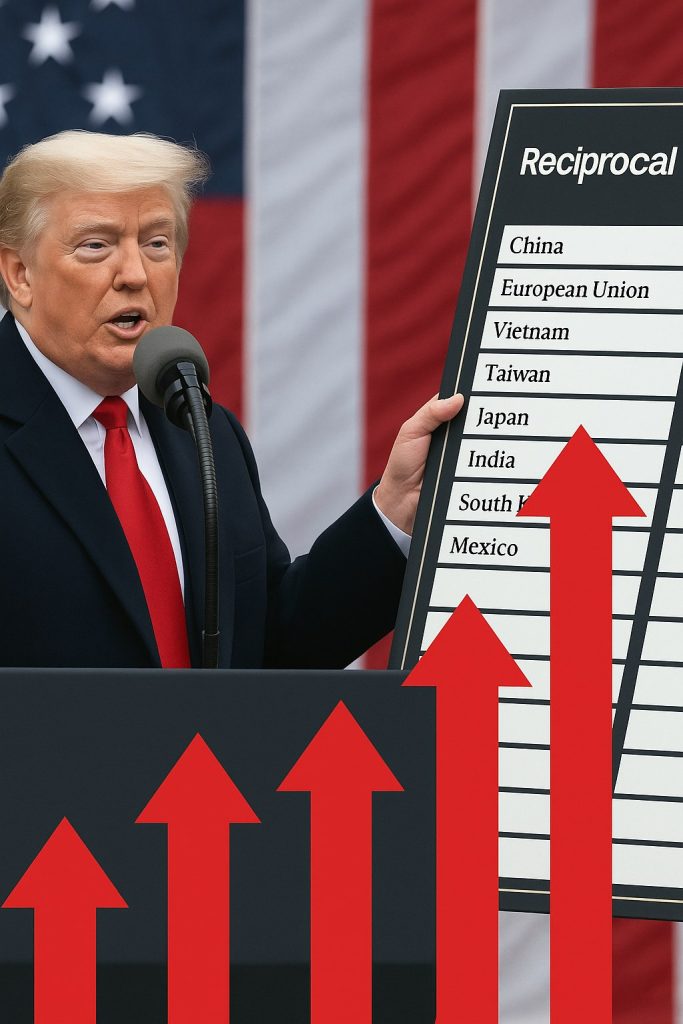
A recent Federal Reserve study has delivered a stark assessment of the lasting impact of tariffs imposed during the Trump administration on the current inflation landscape in the United States. According to the Fed’s economists, absent these tariffs, inflation in consumer goods would have already retreated to pre-pandemic levels, offering relief to millions of American households.
The comprehensive study reveals that tariffs implemented through November 2025 artificially inflated prices on core goods by 3.1 percent through February 2026. More strikingly, the research attributes the entirety of excess inflation in the core goods category—covering electronics, appliances, clothing, and furniture—to these tariffs. In other words, every dollar Americans spend above pre-pandemic price trends on these items can be traced directly back to a deliberate policy decision from the Trump administration.
This finding challenges narratives from some political factions who have spent the last two years faulting President Joe Biden for ongoing inflation woes. Notably, The Economist, a globally respected publication known for its centrist economic analyses, recently dubbed the American economy under Biden as “the envy of the world,” highlighting growth at double the rate of any other G7 country in the months leading up to the 2024 election.
While it is true inflation was elevated during Biden’s tenure, experts emphasize the context: the pandemic, supply chain disruptions, and global price surges predated his presidency. Biden inherited an economy in turmoil but managed an inflation rate decline faster than any other advanced country.
Not only did Trump’s tariffs embed persistent inflation in core goods, but his foreign policy and decisions continue to stoke price pressures today. The Strait of Hormuz remains effectively sealed following escalations under Trump’s confrontational stance with Iran, pushing oil prices above $100 a barrel and causing gasoline prices to surge past $4 a gallon nationwide. Compounding the issue, Iran’s attack on Qatar’s Ras Laffan, the world’s largest LNG facility critical for fertilizer and plastics production, has imposed multi-year bottlenecks on supplies.
These supply chain nightmares mean food prices, already strained by logistics challenges and global demand, are unlikely to ease in the near future. Against this backdrop, a leaked remark from Trump at an Easter White House lunch further exposes his administration’s priorities: he declared it “not possible” to fund vital programs like Medicare and Medicaid because “we’re fighting wars,” candidly linking military engagement to fiscal constraints that affect Americans’ everyday lives.
The message is clear: The tariffs that keep core goods expensive are Trump’s. The geopolitical and economic turmoil driving energy and food insecurity is Trump’s legacy. And the financial burden of these policies ultimately falls on American consumers and taxpayers.
As the nation prepares for the 2024 election, understanding the roots of inflation—including how past policies continue to ripple through today’s economy—is crucial. This Federal Reserve study offers a data-driven lens on how one administration’s deliberate tariff strategy quietly shapes the prices Americans pay in their homes and stores every day.
Where to Learn More
- The Impact of Tariffs on Consumer Goods Inflation – Federal Reserve
- The US Economy Is the Envy of the World – The Economist
- Oil Prices Surge Past $100 a Barrel Amid Middle East Tensions – CNBC
- Iran’s Attack on Qatar’s LNG Facility and its Global Impact – The New York Times