
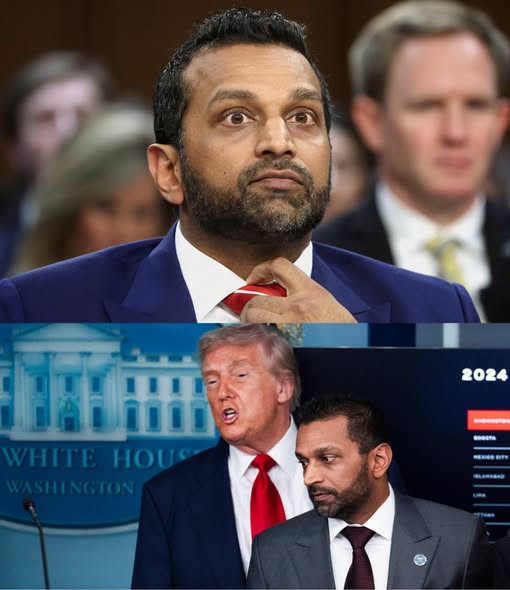
In a shocking revelation from a new investigative report published by The Atlantic, concerns are mounting over the competency and stability of the man currently overseeing America’s domestic security. Kash Patel, who is serving as the acting FBI Director during a time of heightened tension with Iran, reportedly passed out drunk behind a locked door while on duty—an incident that has raised alarms within multiple government agencies and law enforcement circles.
The report, based on interviews with more than two dozen current and former officials, depicts a troubling picture of Patel’s conduct. On numerous occasions, his own security detail had difficulty waking him because he was apparently intoxicated. In at least one instance, security personnel had to request “breaching equipment,” typically used by SWAT teams, to access the Director, who was unreachable behind locked doors.
Such behavior, according to sources, is not an isolated incident. Reports suggest that Patel often consumes alcohol to the point of visible intoxication, frequently patronizing private clubs in Washington D.C. and bars in Las Vegas during weekends. Early in his tenure, meetings and intelligence briefings were frequently postponed or rescheduled due to his alcohol-fueled late nights. Despite concerns raised from within the administration, including a call from former President Donald Trump—who, unlike Patel, abstains from drinking and has a personal history with alcoholism—the pattern persisted.
Adding to the controversy are moments of apparent panic and instability. One incident detailed in the report recounts how Patel, on April 10, was unable to log into an internal FBI system. Instead of calmly reporting the issue, he allegedly went into a frantic state, calling aides and allies to announce he had been fired by the White House—a reaction described by insiders as a “freak-out.” This panic resulted in widespread confusion within the bureau, prompting internal and congressional inquiries about who was truly in command. The eventual explanation was a simple technical glitch, yet the damage to confidence had already been done.
More disturbingly, sources warn that Patel has been actively purging key personnel. Days before Iran declared war, he reportedly dismissed members of a counterintelligence squad focusing on Iran and targeted agents involved in investigating the events of January 6. Reports also indicate he has subjected staff to pressure and polygraph testing to root out dissent, leading to fears of a politicized and hollowed-out FBI—unprepared for the looming threat of violence or terrorist attack.
Many officials express deep concern over the state of the FBI under Patel’s leadership. One insider succinctly summarized the crisis: “We don’t have a real functioning FBI director.” As the nation stands on the brink of potential war, the very institution meant to safeguard American security appears to be undermined by internal chaos and questionable leadership.
As these revelations circulate, questions mount about the impact of Patel’s conduct on national security. Critics argue that with such apparent instability at the top, the country’s ability to respond to domestic threats and international crises could be severely compromised, raising urgent calls for accountability and leadership reassessment.