
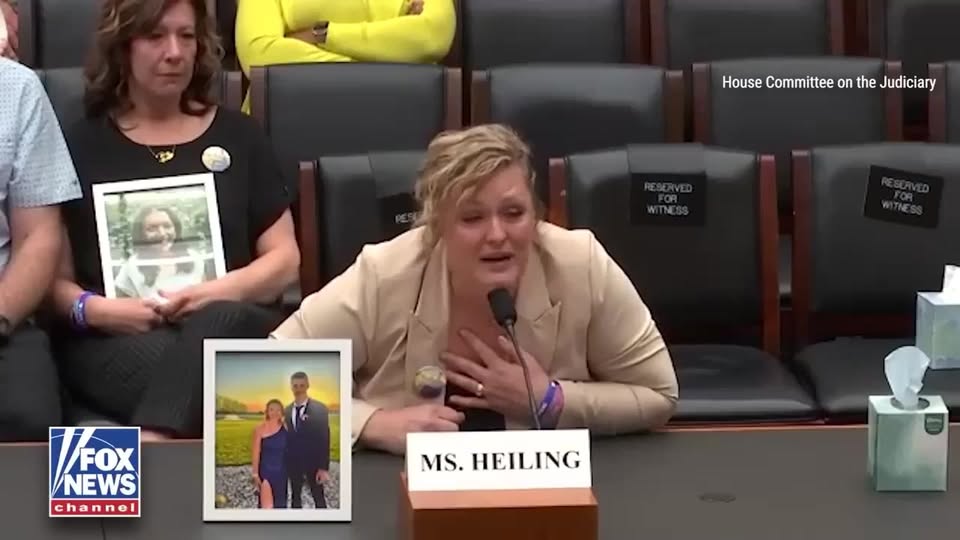
The tragic loss of 18-year-old Brady Heiling has reignited emotional debates over immigration and the narratives surrounding victims of crimes involving undocumented immigrants. Brady, along with his 17-year-old girlfriend, lost their lives when a driver allegedly under the influence and allegedly in the country illegally reportedly drove the wrong way on a highway. The incident has sparked fierce discussions on social media, with some critics drawing controversial parallels—yet poignant voices like Brady’s mother, Jen Heiling, are speaking out to clarify the distinction.
In the midst of a highly charged online conversation, Jen Heiling emphasized that her grief was unique and in no way comparable to the narratives promoted by certain advocacy groups, such as the so-called “Angel Families.” These groups often highlight their personal tragedies to argue for stricter immigration enforcement. However, Jen firmly pushed back against these comparisons, stating, “My son was a bright, kind soul taken unjustly. My grief is real and personal, not a political tool.”
The controversy underscores a broader societal debate about how personal tragedies are used in national conversations about immigration policy. Critics worry that conflating individual stories can distort facts, divert attention from the real causes of violence, and oversimplify complex issues.
Renee Good, a widow whose story has also been linked in social media discussions, has become a focal point in this debate. Some have portrayed her as part of the “Angel Families,” groups that advocate for stricter immigration laws after losing loved ones to crimes allegedly committed by undocumented immigrants. Good’s story, along with others, has been used to push the narrative that illegal immigration directly correlates with crime rates. However, many victims’ families, including Jen Heiling, argue that such comparisons are both insensitive and inaccurate.
“My son’s death was a profound tragedy, not a political statement,” Jen reiterated. “I believe in justice, but I also believe in honoring my son’s memory without using him as a pawn in a political debate.”
Legal experts and community advocates emphasize the importance of respecting individual grief and recognizing that every loss is personal. They warn against weaponizing tragic stories for political gains, advocating instead for nuanced, compassionate discussions around immigration and public safety.
The incident involving Brady Heiling also draws attention to the ongoing issues surrounding enforcement of immigration laws and the challenges in addressing the root causes of violence. Meanwhile, families like Jen’s continue to advocate for justice and respectful remembrance, emphasizing that their loved ones deserve dignity—not political ammunition.
Where to Learn More
- Understanding the Facts: Immigration and Crime Statistics – National Law Review
- Angel Families Speak Out Amid Immigration Discourse – Fox News
- Separating Fact from Fiction: Immigration and Violence – NPR
- Crime and Violence Statistics in the US – Centers for Disease Control and Prevention