
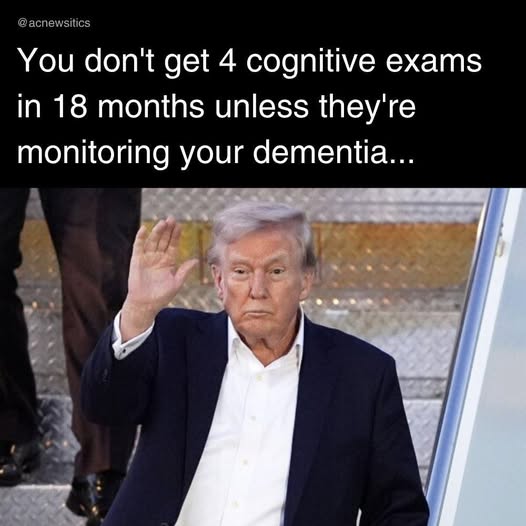
In an era where health information spreads rapidly across social media, misconceptions about medical practices can easily take hold. A recent viral post featuring an image with the comment, “@acnewsitics ics You don’t get 4 cognitive exams in 18 months unless they’re monitoring your dementia…” has prompted widespread discussion online. But is this statement accurate?
At first glance, the claim suggests that undergoing four cognitive assessments within a year and a half implies a focus solely on dementia monitoring. While it’s true that frequent cognitive testing can be associated with dementia diagnosis, this is a simplification that overlooks the breadth of reasons why individuals might undergo multiple screenings.
Why Might Someone Receive Multiple Cognitive Exams?
Cognitive assessments are valuable tools used not just to diagnose dementia but also to monitor various neurological and psychiatric conditions, including mild cognitive impairment (MCI), traumatic brain injuries, or mental health issues such as depression and anxiety that impact cognition.
Moreover, in cases where initial results are inconclusive, healthcare providers might schedule follow-up examinations to track changes over time or assess the effectiveness of treatment plans. For individuals with ongoing neurological conditions, periodic cognitive testing can be a critical aspect of personalized medical management.
The Context of Dementia Monitoring
The premise that four exams in 18 months are exclusively for dementia monitoring is not entirely incorrect but is overly restrictive. Dementia diagnosis and management typically involve a comprehensive evaluation, which may include multiple cognitive assessments, neuroimaging, and other diagnostic tests. However, these examinations are tailored to individual needs and clinical judgment.
It’s important to recognize that routine cognitive screening in primary care settings can occur less frequently unless there’s a concern flagged by the patient, family, or healthcare provider. Frequent testing signals either confirmed concern about progressive decline or ongoing evaluation for other neurological issues.
What the Data Says
According to neuropsychologists and neurologists, the number and frequency of cognitive exams vary widely depending on individual health situations. For example, patients involved in clinical trials or those under close neurological supervision might undergo multiple evaluations over short periods, but this is determined on a case-by-case basis.
Thus, the claim that multiple cognitive exams in a fixed timeframe are solely related to dementia monitoring oversimplifies complex medical decision-making and may contribute to misconceptions about neurological health management.
Conclusion
While there’s some basis in the association between frequent cognitive screenings and dementia, the statement from the viral social media post fails to capture the nuanced situation that healthcare professionals navigate. It’s essential for public discourse to be grounded in accurate understanding so individuals can better interpret their own health journeys and seek appropriate medical advice.