
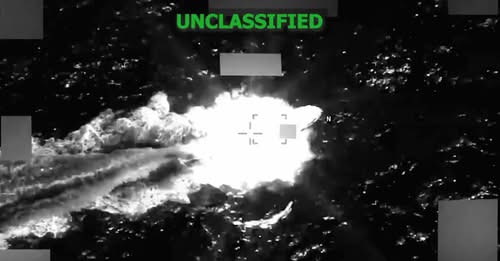
Recent social media debates have reignited a contentious discussion surrounding the legitimacy and morality of targeted killings, especially when the individuals in question are not confirmed military targets. The core question? Should nations be allowed to eliminate drug traffickers and other suspects without due process or trial?
At the center of this debate is a provocative social media post that reads: “None of these have been military targets. And even then, do we just kill drug traffickers now, without trial?” This statement has sparked widespread discussion among users, politicians, and human rights advocates alike, challenging the very foundation of legal and ethical standards in modern warfare and law enforcement.
Traditionally, the rules of engagement and international law emphasize the importance of judicial processes, especially when it comes to taking a person’s life. The principle of *due process* — protected by legal systems worldwide — mandates that suspects should be innocent until proven guilty and should have the right to a fair trial before facing severe punishment, including capital punishment or extrajudicial killings.
However, proponents of aggressive tactics in combating drug cartels and organized crime argue that the severity of the threat justifies extraordinary measures. Some policymakers and military leaders have pointed to examples where targeted strikes removed key figures in criminal networks. Yet, critics warn that such actions often lack transparency and accountability, risking innocent lives and undermining democratic principles.
One of the most vocal concerns is about the potential for abuse and the erosion of legal standards. When a government acts outside the bounds of justice, it sets a dangerous precedent—transforming targeted killings into unchecked state violence. This approach not only risks violating international laws but also exacerbates cycles of violence, destabilizes communities, and erodes public trust in legal institutions.
Legal experts contend that without judicial oversight, these actions become thinly veiled executions, eroding human rights and the rule of law. Experts argue that any form of targeted elimination must be accompanied by transparent investigative processes, evidence-based decisions, and respect for international human rights conventions.
The ethical dilemma remains painfully clear: how do societies balance the urgent need to eliminate dangerous criminals with the fundamental rights afforded to all individuals? Does the threat of organized crime justify bypassing judicial systems, or does it open a Pandora’s box of abuses?
In a rapidly changing world where security concerns are high, this debate underscores the vital importance of maintaining legal standards while addressing complex threats. Public discourse, legal accountability, and respect for human rights must remain central as nations navigate these challenging waters.
Where to Learn More
- Human Rights Watch – International perspectives on targeted killings and lawful conduct
- United Nations – Recommendations on lawful use of force and human rights standards
- Council on Foreign Relations – Analyses on counterterrorism and law enforcement policies
- Amnesty International – Human rights concerns related to extrajudicial killings
- BBC News – Reporting on recent debates over targeted strikes and legality