
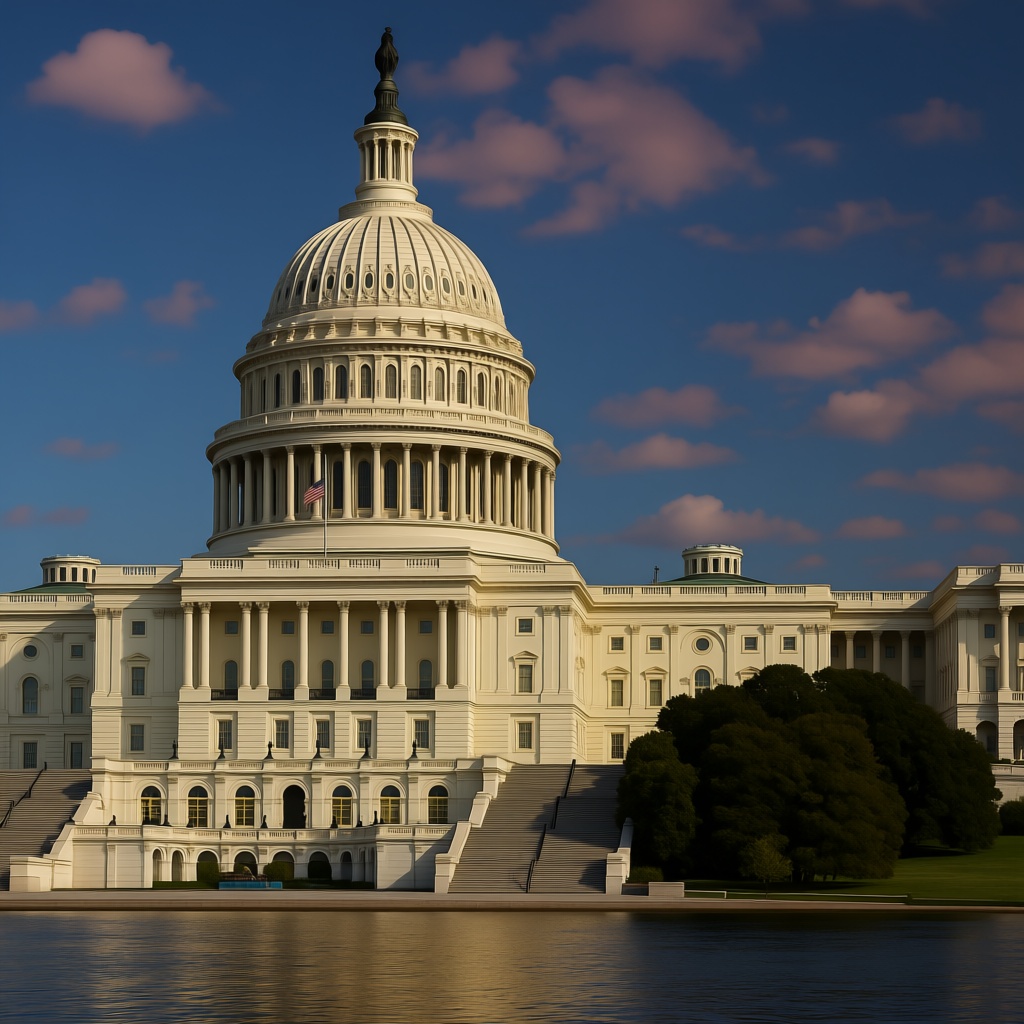
The proposed **CLARITY Act** has stirred controversy among regulators, industry experts, and national security advocates alike. Marketed as a legislative step toward providing clarity and regulation to the rapidly evolving cryptocurrency sector, the bill instead faces heavy scrutiny for its potential to inadvertently **entrench loopholes** that pose serious risks to **U.S. national security** and hinder **law enforcement efforts** in the future.
At the heart of the debate is the bill’s approach to defining digital assets and regulating entities involved in their trading and custody. Critics argue that the **current language** in the CLARITY Act is too permissive, effectively **codifying existing loopholes** that criminal actors and malicious foreign entities could exploit. These loopholes might allow ransomware groups, money launderers, and terrorist financiers to operate with less oversight than necessary, undermining efforts to track illicit transactions and safeguard financial systems.
One of the major concerns is that the legislation’s vague definitions of **”digital assets”** and **”broker-dealers”** could exclude key players from regulatory oversight. This ambiguity creates a **regulatory gray area**, enabling bad actors to skirt compliance protocols simply by exploiting definitional loopholes. In effect, it could **hamper authorities’ ability** to enforce anti-money laundering (AML) and know-your-customer (KYC) measures—tools integral to national security and crime prevention.
Security experts have emphasized the risks posed by these regulatory gaps. Without stringent oversight, illicit actors can utilize decentralized exchanges or unregistered wallets to move vast sums of money, often in the shadow of the law. If such transactions go unmonitored, foreign operatives could fund cyberattacks, espionage efforts, and other malicious activities against U.S. interests with greater ease.
Additionally, critics argue that the CLARITY Act’s failure to address emerging blockchain innovations could **impede future enforcement efforts**. As the cryptocurrency industry continues to evolve, regulators need to establish clear, adaptive frameworks—something the bill fails to do, according to many experts. This lack of foresight could make future crackdown efforts more cumbersome than necessary, leaving law enforcement to play perpetual catch-up.
Key voices in the cybersecurity and financial regulation communities warn that passing the CLARITY Act without substantial amendments could be a **security risk** rather than a solution. They urge lawmakers to reconsider provisions that could **embolden illicit actors** and undermine the integrity of financial oversight in the United States.
As discussions around cryptocurrency regulation intensify, the debate over the CLARITY Act exemplifies the delicate balance policymakers must strike: fostering innovation while ensuring national security. For now, critics remain skeptical that the bill, in its current form, adequately addresses these dual priorities.