The battle over how America chooses to remember its complex history has taken a significant turn following a federal court ruling to restore a memorial at George Washington’s historic home in Philadelphia that honors nine enslaved people owned by the nation’s first president. The memorial, which had been removed by the Trump administration, is set to return before the Fourth of July, marking a crucial moment in the ongoing debate over history, memory, and representation.
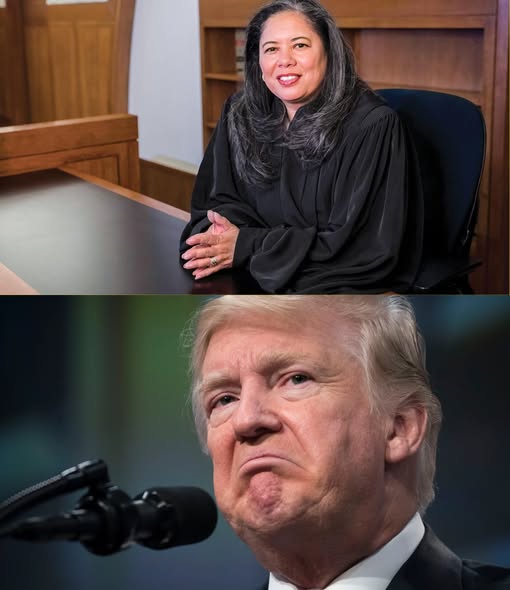
On Friday, U.S. District Judge Angel Kelley in Boston issued a decisive ruling ordering the Interior Department to reinstate the memorial featuring the names of the enslaved individuals who labored at George Washington’s presidential estate. The memorial had been dismantled earlier this year following directives from the Trump-era officials, who claimed that displays at national parks did not align with what they termed the “preferred narrative” of American history.
The controversy ignited when the Trump administration signed an executive order in March 2025 titled “Restoring Truth and Sanity to American History”. The order accused certain historical exhibits and symbols of perpetuating a “revisionist movement” that painted the country as inherently racist and oppressive. As part of this initiative, numerous plaques, displays, and memorials documenting slavery, civil rights, and other pivotal parts of American history were removed from sites nationwide, including iconic locations like Independence National Historical Park in Philadelphia.
At Independence Hall, the memorial honoring the nine enslaved individuals who served George Washington was taken down amid claims that such depictions “do not reflect the narrative preferred by the current administration.” This decision sparked outrage among historians, activists, and many Americans who see the removal as an erasure of a vital part of the nation’s story. The memorial’s removal was challenged in federal court, where Judge Kelley already ordered its reinstatement after previous lawsuits.
In her latest ruling, Kelley went a step further, demanding that the Interior Department restore a broad array of exhibits related to abolition, immigration, labor rights, women’s suffrage, civil rights, and climate change—all of which had been quietly removed from historic sites including Fort Sumter and the Grand Canyon. Her decision condemned the government’s attempt to “rewrite the nation’s history with a white-out pen,” emphasizing that such actions distort truth and omit essential truths about America’s founding and development.
The Interior Department responded dismissively, labeling Kelley a “liberal activist judge” and vowing to appeal. However, the court was clear: the government cannot selectively erase the histories that challenge sanitized or simplified narratives, especially when such histories involve the realities of slavery and systemic oppression.
This legal victory underscores the ongoing struggle over historical memory in America. As the country approaches its 250th anniversary this year, the question remains: Who gets to decide which stories are told? The judge’s order affirms that all Americans—regardless of their place in history—deserve acknowledgment and remembrance.
By requiring the names of these enslaved individuals to be restored to the memorial, the court has sent a powerful message: truth cannot be whitewashed. The names, and the stories they represent, are now set to return by the Fourth of July, ensuring that history is remembered in full—even the uncomfortable parts that some would prefer to forget.
Where to Learn More
- Federal Court Orders Reinstatement of Enslaved People’s Memorial at Washington’s Philadelphia Home – NPR
- The Fight Over America’s Historical Memory: The Battle Over Memorials and Exhibits – The New York Times
- Legal Ruling Forces Reinstatement of Memorial Honoring Enslaved People at Washington’s Historic Home – The Washington Post
- The Significance of Remembering Enslaved People at George Washington’s Estate – History.com