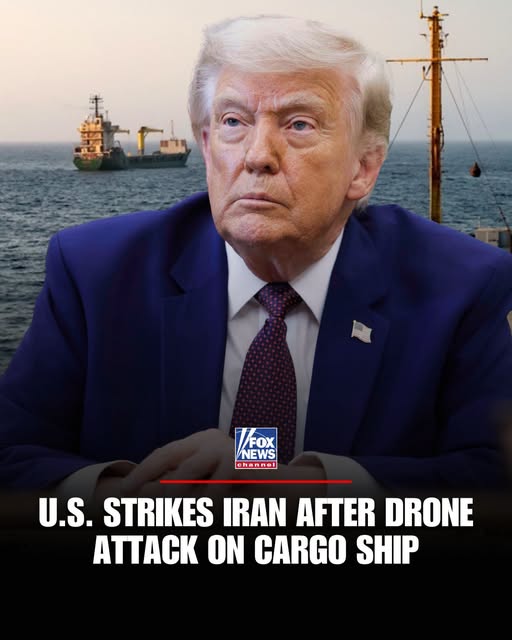
In a decisive move following a recent assault on a commercial cargo ship in the strategic Strait of Hormuz, the United States has launched retaliatory strikes against Iranian military facilities. According to U.S. Central Command, the targeted operations hit Iranian missile and drone storage sites, as well as radar installations, in what they describe as a response to an “unwarranted” attack that violated ongoing ceasefire agreements.
The incident unfolded amid rising tensions in this vital waterway, often dubbed the “world’s most important oil choke point.” The ship, whose identity remains undisclosed, was reportedly subjected to a drone or missile attack, prompting swift action from U.S. military forces. Iranian officials have yet to issue a formal statement on the strikes, but the incident has heightened fears of an escalating conflict in the region.
U.S. Central Command (CENTCOM) emphasized that the strikes were conducted with precision to degrade Iran’s ability to threaten maritime commerce and maintain regional stability. “American forces responded decisively to an attack that threatened the safety of commercial navigation and violated international agreements,” a CENTCOM spokesperson stated. The military also reaffirmed its commitment to safeguard commercial vessels passing through the Strait, a critical corridor for global oil shipments.
This escalation comes amid ongoing tensions over Iran’s military activities and its perceived threats to regional stability. The U.S. and allied nations have indicted Iran for supporting proxy militias and engaging in provocative acts such as drone attacks and missile launches. While Tehran insists its activities are defensive, many nations view them as destabilizing.
Experts warn that the recent strikes could lead to an uptick in hostilities, risking wider conflict in the Middle East. Diplomatic channels remain open, but the possibility of further military action complicates efforts for a peaceful resolution.
In the meantime, maritime security organizations worldwide are closely monitoring the situation, with increased patrols and heightened alertness for future threats in the area. The U.S. has vowed to continue protecting commercial shipping and maintaining freedom of navigation—a stance that underscores the significance of the Strait of Hormuz for global energy markets.
As tensions persist, international observers remain cautious, emphasizing the importance of diplomatic efforts to de-escalate the situation and prevent a broader regional conflict that could impact the global economy.