In early 2025, a provocative idea has taken hold among climate activists and skeptics alike: Is the eccentric, often vociferous climate denier Donald Trump actually helping to solve the climate crisis—by destabilizing the fossil fuel industry? What at first glance sounds like a cynical joke is gaining traction as a serious narrative: Trump’s erratic policies and geopolitical maneuvers may be hastening the decline of oil dependence faster than any climate advocate could have planned.
Under Trump’s administration, the United States has seen unprecedented chaos in energy policy. From attempting to dismantle the Clean Air Act to promoting “Freedom Gas” imports and encouraging fossil fuel infrastructure, the approach has been anything but conventional. Yet, these very actions seem to illuminate—and perhaps accelerate—the flaws inherent in fossil fuel reliance. As oil prices spike past $120 a barrel amid military disputes and political maneuvers, the global perception shifts. Fossil fuels—once considered stable pillars of economies—are revealing themselves as volatile, dangerous gambles.
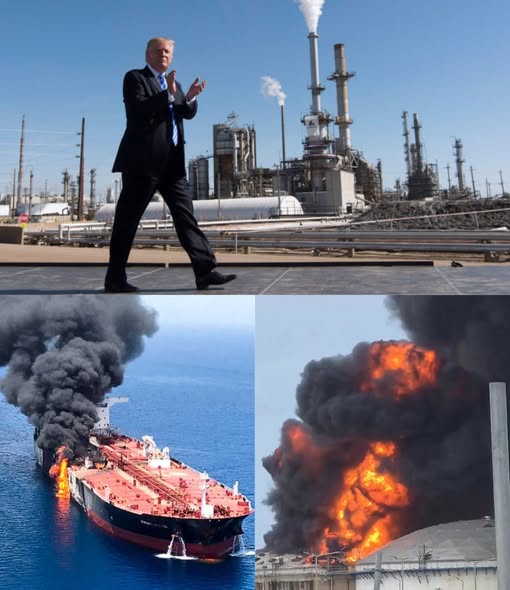
While Trump’s saber-rattling in the Persian Gulf and efforts to deplete Venezuela’s oil reserves have created turmoil in global energy markets, they’ve also inadvertently underscored a critical point: the world’s addiction to fossil fuels is a dangerous, unstable game. Suddenly, wind turbines and solar panels are looking more attractive, not just as clean alternatives but as practical, *blockade-proof* energy sources. Campaigners who once struggled to make their case about energy security now see their arguments validated in real time.
Meanwhile, global military mobilizations aimed at securing oil supplies have driven up costs and led to resource-draining conflicts. The U.S. and Europe are pouring billions into new LNG contracts, Arctic drilling, and defense spending—often simultaneously stranding investments in renewables and energy efficiency. Paradoxically, this reckless energy geopolitics might be the unforeseen catalyst for a greener future, accelerating the shift toward renewable energy and green technologies.
Yet, amid this chaos, there’s a stark warning. If governments and big energy players continue to double down on fossil fuel infrastructure—ignoring the growing economic and security risks—they risk locking themselves into a future of climate catastrophe and geopolitical instability. As some European nations bolster defense and explore Arctic drilling, others are waking up to the need for rapid change. Countries like Germany are now considering redirecting funds from fossil fuel projects towards renewables, signaling a possible turning point. But with many governments still under the sway of oil and gas giants, the road ahead remains uncertain.
So the question remains: Is the madness of the Trump era accidentally forcing the world to wake up to the necessity of clean energy? Or are we simply witnessing a chaotic lull before another dangerous leap in fossil fuel reliance? The answer may depend on whether we can leverage this historic window to accelerate policies that favor renewable energy, climate resilience, and geopolitical stability.
One thing is clear: the current chaos offers a rare, if unforeseen, opportunity. The global community must seize it—to push for transparent, courageous leadership and to ensure that reckless dependencies do not lead us over the climate cliff.
Where to Learn More
- Energy Market Chaos and the Future of Fossil Fuels – Reuters
- Climate and Energy Policy in the Age of Political Chaos – The Guardian
- European Energy Security and Shift Toward Renewables – European Commission
- Global Military Movements and Climate Policy – NPR
- The Geopolitics of Energy and Climate Change – Science Magazine