The push to ban the controversial herbicide paraquat is gaining unprecedented momentum worldwide, with over 70 countries and at least one U.S. state taking decisive action to restrict its use. The Michael J. Fox Foundation has issued a pointed call to federal and state lawmakers, emphasizing that the time to put an end to paraquat’s widespread application is now.
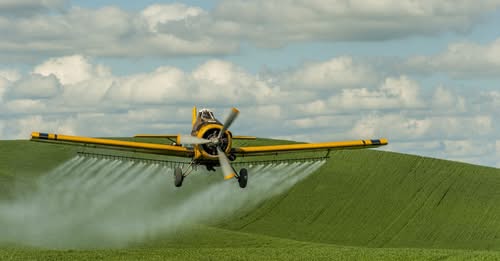
Paraquat has long been criticized for its environmental and health impacts, particularly its devastating effects on humans and wildlife. Widely used in agriculture to control weeds, the chemical has been linked to severe health issues, including Parkinson’s disease, leading many countries to reconsider its safety profile.
According to recent social media campaigns and global health advocacy efforts, more than 70 nations—including member states from the European Union, Australia, Brazil, and Japan—have already imposed bans or stringent restrictions on paraquat. Meanwhile, at least one U.S. state, California, has banned its use, reflecting growing concern at the regional level.
In a statement, the Michael J. Fox Foundation highlighted the international trend as a clear sign of the urgent need for U.S. policymakers to follow suit. “This is a clear and critical message,” the foundation asserted. “For years, evidence has mounted linking paraquat to Parkinson’s disease and other serious health risks. The time to act is now, before more lives are impacted.”
Environmental and public health advocates point to the widespread adoption of bans abroad as models for U.S. policymakers to emulate. They argue that restrictions on paraquat would not only protect farmworkers and vulnerable populations but also prevent environmental contamination of water sources and wildlife habitats.
However, resistance remains in some agricultural sectors, which rely on paraquat for its effectiveness and affordability. Critics of the bans fear economic repercussions and argue for the need for alternatives. Nonetheless, mounting scientific evidence and the global trend point toward a future where paraquat may become obsolete.
This surge in bans aligns with a broader movement toward safer and more sustainable agricultural practices. The Biden administration, facing mounting pressure, is reviewing existing regulations regarding herbicide use, and advocates hope that this momentum will lead to federal action sooner rather than later.
As the debate intensifies, the voices of health advocates, scientists, and farming communities continue to shape the policy landscape. The message from the international community and advocacy groups like the Michael J. Fox Foundation is clear: the time to ban paraquat is now, for the safety of people and the planet.
Where to Learn More
- Michael J. Fox Foundation Calls for Urgent Ban on Paraquat – Official Website
- WHO Facts on Paraquat and Health Risks – World Health Organization
- EPA Review of Paraquat and Regulatory Actions – Environmental Protection Agency
- EU Moves Toward Banning Harmful Pesticides – Euractiv