
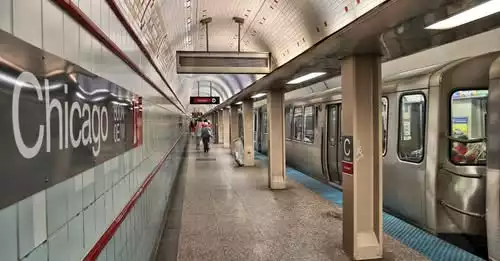
As Chicago braces for its harsh winter months, a troubling reality has come into focus: for many residents, public transit has become more than just a means of transportation — it’s one of the few accessible refuges from the biting cold.
Social media users and advocacy groups have highlighted a growing concern that thousands of Chicagoans, particularly the homeless and those facing housing insecurity, depend on buses and trains to survive the brutal winter conditions. With temperatures frequently plummeting below freezing and winds making it feel even colder, public transit stations and buses have unwittingly become makeshift shelters for vulnerable populations.
While Chicago’s transit system is a vital backbone of the city’s infrastructure, critics argue that it is ill-equipped to serve as a winter refuge and that more comprehensive solutions are desperately needed. The Chicago Transit Authority (CTA) has implemented measures like extending train service hours and increasing cleaning efforts, but advocates say these are not enough to address the scale of the crisis.
Many transit riders have shared stories on social media about waiting hours in freezing stations, seeking warmth on overcrowded buses, or simply finding themselves stranded with nowhere else to go. “I was stuck at the station all night last week because there was no safe place to go,” said one resident in a viral tweet that has garnered hundreds of retweets. “It’s not fair that our city’s most vulnerable are left out in the cold.”
This predicament highlights broader issues of urban inequality and homelessness in Chicago. According to recent city data, over 3,000 individuals are experiencing homelessness on any given night, with winter exposing them to increased health risks including hypothermia and frostbite. Many of these individuals have limited access to shelters, especially during late hours or when shelter facilities are at capacity.
Advocates are calling for urgent action from city officials to recognize public transit facilities as emergency warming centers during extreme weather days. They also stress the importance of expanding shelter capacity, improving outreach services, and developing long-term affordable housing solutions to address root causes.
City leaders have acknowledged the crisis, with some officials promising to improve warming initiatives. However, many community members argue that immediate, tangible actions are needed now, not later, to protect those most at risk.
As Chicago continues to face one of its coldest winters in recent years, the conversation intensifies: should public transit be considered a lifeline in times of crisis? The stark reality is that for too many residents, the answer is yes — raising urgent questions about how the city can better serve its most vulnerable during the harshest conditions.
Where to Learn More
- Chicago Homelessness Crisis Deepens Amid Winter Chill – Chicago Tribune
- City Expands Winter Shelter Initiatives – City of Chicago Official Website
- Public Transit as Winter Shelter? Advocates Push for Change – South Side Chicago News
- Chicago Homelessness and Cold Weather Challenges – NPR