
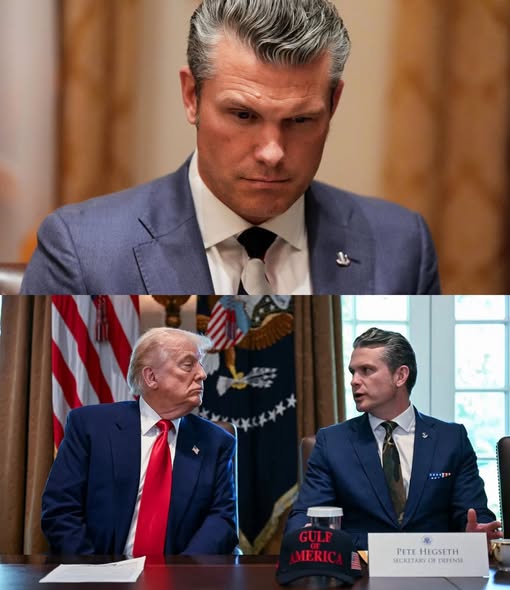
In a groundbreaking move that has sent shockwaves through Washington, Arizona Congresswoman Yassamin Ansari—herself a trailblazing Iranian-American Democrat—has formally filed six articles of impeachment against Secretary of Defense Pete Hegseth. Joined by twelve cosponsors, Ansari’s charges are detailed, evidence-based, and potentially devastating as they accuse Hegseth of engaging in war crimes, illegal strikes, and gross mishandling of classified information.
The articles allege that Hegseth authorized a series of unauthorized military actions, beginning with launching a war against Iran without congressional approval—directly contravening the U.S. Constitution’s requirement that only Congress can declare war. This breach of constitutional protocol is compounded by claims that Hegseth demonstrated a willful disregard for his oath of office and the nation’s rules governing military engagement.
Among the most serious charges are allegations of reckless endangerment of U.S. service members deployed across the Middle East. The articles specify instances where Hegseth is accused of approving strikes on civilians, including a devastating attack on a girls’ school in Minab, Iran, which resulted in civilian casualties and international outcry. Further, Hegseth is accused of endorsing illegal “double tap” strikes—an offensively named tactic involving successive attacks on noncombatant vessels in the Caribbean, risking escalation and civilian harm.
The scandal deepens with allegations of gross negligence in handling classified military intelligence. The charges reference the well-documented “Signalgate” scandal, where sensitive war plans were reportedly shared on a chaotic group chat, breaching strict security protocols. Such leaks not only compromise operational security but also place American troops at increased risk—an assertion underscored by the charge that Hegseth’s actions endangered lives needlessly.
Ansari did not hold back in her statement, condemning Hegseth’s conduct as a direct betrayal of his constitutional duties and a threat to national security. “Pete Hegseth broke his oath to the Constitution, put U.S. troops at grave risk through unauthorized disclosure of classified information, engaged in abuse of office and conduct beneath the dignity of his office, and carried out unlawful military actions despite his obligation to refuse,” she declared.
The controversy surrounding Hegseth isn’t solely limited to military and constitutional questions. Critics highlight his controversial personal conduct, such as holding monthly worship services in the Pentagon where he reportedly prays for “overwhelming violence” and has been seen reading fabricated Bible verses from fictional sources like Pulp Fiction. He has also faced accusations of obstructing diversity efforts by blocking promotions of Black and female officers, and publicly displaying symbols such as a Bible stamped with the Crusaders’ battle cry “Deus Vult.”
Despite widespread attention, the impeachment articles are unlikely to advance while the Republican-controlled House remains in power. Still, their mere existence cements a formal record of serious allegations. If Democrats secure a majority in the upcoming November elections, these charges could swiftly move forward, potentially leading to Hegseth’s removal from office.
Ansari emphasized the gravity of the situation: “Only Congress can declare war. His actions demand immediate removal.” With thirteen members of Congress now formally accusing Hegseth of war crimes, the stakes have never been higher. This isn’t just political rhetoric—it’s an official record of allegations that could reshape military accountability at the highest levels.