
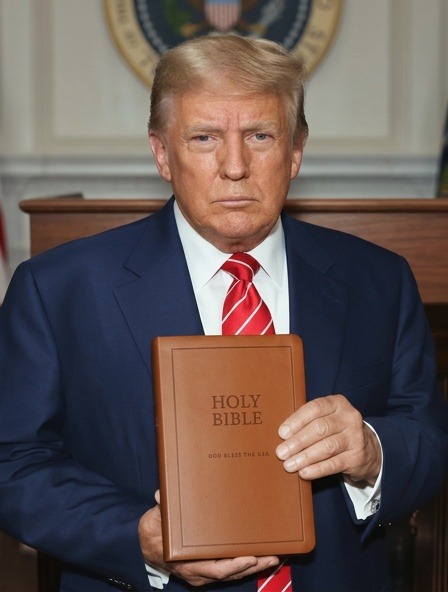
The days of the Trump administration may be numbered, but questions about accountability and historical memory linger heavily in the public consciousness. As advocates and critics alike brace for the inevitable transition away from what has been described as one of the most tumultuous and controversial presidencies in recent history, many are asking a sobering question: When the Trump regime finally ends — as it inevitably will — how many of us will truly remember the details of its record-breaking corruption? And how many will demand accountability?
In just a few short years, the Trump administration has amassed a record that some describe as unprecedented for modern American politics. From allegations of financial improprieties, conflicts of interest, and misuse of power, to more recent controversies surrounding government transparency, public trust has taken a severe hit. The question now is whether these damaging episodes will be buried in history or remembered and addressed.
Record-Breaking Corruption and Scandal
Reports indicate that during President Trump’s tenure, a number of scandals—many involving allegations of corruption—came to light. These include numerous conflicts of interest, with Trump’s own businesses benefiting from his Presidency, allegedly sidestepping traditional conflict-of-interest laws. Investigations also uncovered attempts to leverage presidential power for personal or political gains, raising serious questions about abuses of authority.
Furthermore, the administration faced intense scrutiny over its handling of foreign relations, notably regarding foreign payments and dealings with countries like China and Saudi Arabia. Despite a lack of formal charges in some cases, these controversies have eroded public trust in the office of the presidency and the integrity of government institutions.
Memory and Accountability: Will It Stick?
With political polarization at an all-time high, many fear that the details of these scandals risk fading away once the Trump era concludes. Political opponents argue that without concerted efforts—such as thorough investigations, hearings, and legislative reforms—the lessons learned could be squandered. The danger lies in dismissing these records as mere political battles, rather than as part of a broader push for transparency and justice.
Others worry that partisan divides may lead to selective memory, where supporters forget, dismiss, or minimize these wrongdoings, while opponents push for accountability. Yet, history teaches us that the true accountability for corruption often takes years to crystallize—through lawsuits, commissions, or public outcry—and ultimately requires active demand from the electorate.
As citizens, activists, and journalists continue to highlight these issues, the question remains: will we leverage the end of this administration as an opportunity to demand meaningful reckoning? Or will these episodes be relegated to archives, with only a handful of historians remembering the full scope of what transpired?
Ultimately, the ability of Americans to remember and demand accountability hinges on their engagement and determination. The end of a presidency should be viewed as a turning point—an opportunity for reflection, justice, and reform. The choice is ours: Will we forget, or will we hold leaders accountable to ensure such corruption cannot be repeated?