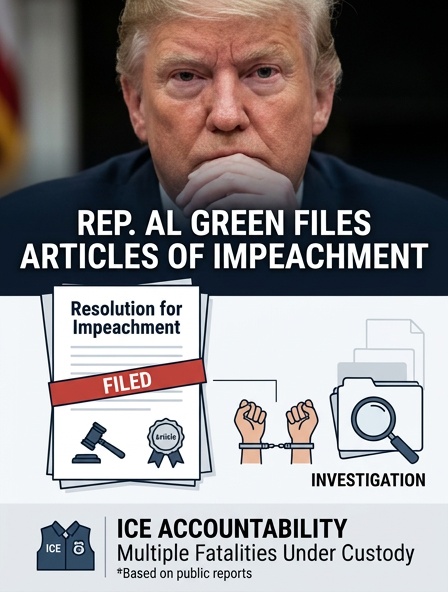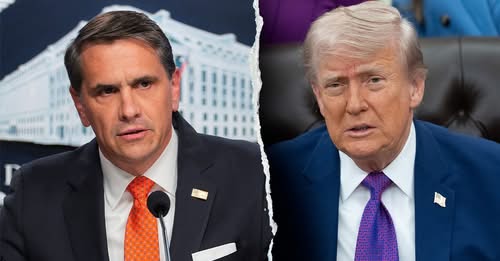
In a significant development that has sparked widespread controversy, Acting Attorney General Blanche signed an order on Tuesday that effectively blocks the Internal Revenue Service (IRS) from examining former President Donald Trump’s prior tax returns. This unprecedented move also bars the IRS from pursuing any pending claims related to his taxes, raising questions about precedent, legality, and political implications.
The order, which was issued less than two weeks after reports surfaced indicating the IRS was conducting investigations into Trump’s financial dealings, represents a stark departure from recent norms. Historically, presidents and high-profile political figures have not been exempt from investigative scrutiny, making this move particularly notable in the current political climate.
While the legal basis for the order has been disputed, critics argue that it undermines the integrity of the tax system and politicizes federal agencies tasked with ensuring accountability. Opponents claim that the move appears to serve partisan interests, especially given Trump’s ongoing influence over the Republican Party and the legislative landscape.
Supporters, however, defend the action, asserting that former presidents and their financial affairs should be protected from politically motivated investigations. They claim that the move upholds the principle of executive privilege and prevents potential misuse of federal resources for partisan goals.
Legal analysts are closely watching the fallout, noting that the order could set a dangerous precedent if it stands. Experts warn that such executive interference could undermine public confidence in the independence of federal agencies and open doors for future administrations to shield their predecessors from scrutiny.
The controversy is likely to escalate as legal battles unfold over the legitimacy and scope of the order. Many are speculating whether this move could be challenged in court, or if it signals broader efforts by the current administration to influence ongoing investigations involving Trump or his associates.
As the story develops, political leaders on both sides have voiced mixed reactions. Democratic lawmakers have condemned the order as an abuse of power, while some Republicans have defended it as a necessary safeguard for presidential privacy and executive privilege.
For now, the fate of Trump’s tax records remains uncertain, stirring debate about the limits of presidential immunity, accountability, and the future of IRS investigations into high-profile figures.
Where to Learn More
- New York Times: Acting AG Blocks IRS from Examining Trump’s Tax Returns – The New York Times
- Washington Post: Controversy Grows Over Attorney General’s Order on Trump’s Tax Files – The Washington Post
- Reuters: Legal Experts Debate Legality of New IRS Restrictions on Trump’s Tax Returns – Reuters
- Politico: Political Fallout from the IRS Investigation Blockade – Politico