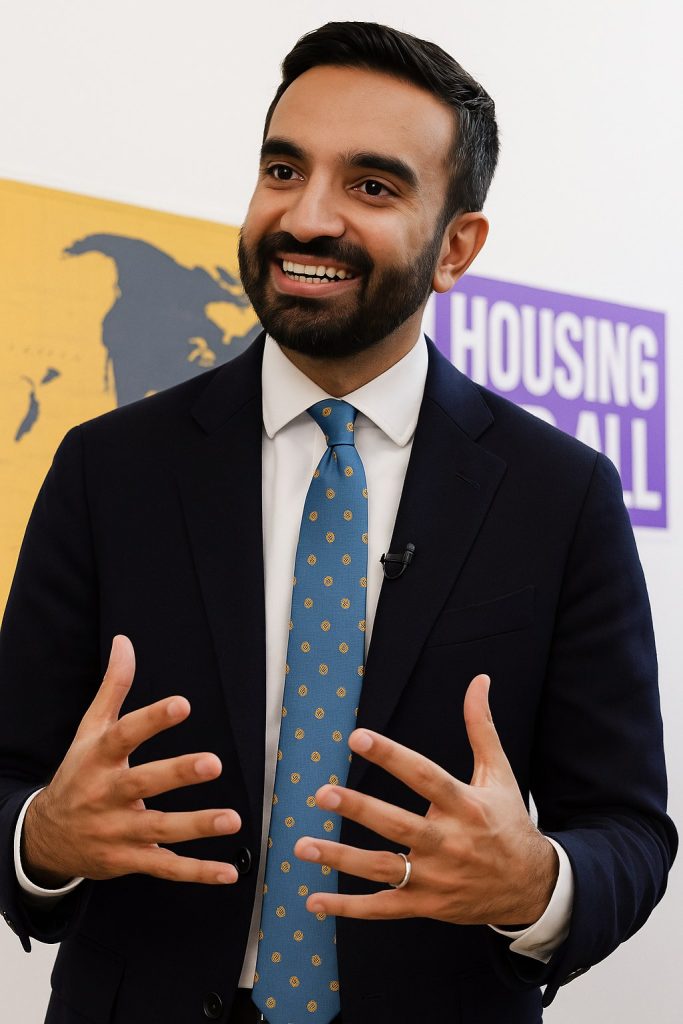
New York City mayoral candidate Zohran Mamdani is drawing from recent examples of political resistance to former President Donald Trump’s policies as he campaigns to lead America’s largest city. During recent speeches and debates, Mamdani has cited Boston’s progressive immigration policies and California’s legal pushbacks against the Trump administration as key inspirations for his own vision of governing New York City.
The candidate, who represents a wave of new progressive leaders aiming to reshape the city, emphasized the importance of standing up to federal policies that many local officials have deemed harmful to immigrant communities and marginalized groups. In his campaign messaging, Mamdani highlights Boston’s sanctuary city status, which limited cooperation with federal immigration enforcement agencies during the Trump years, as a successful model for protecting undocumented residents and fostering trust between local authorities and immigrant populations.
“Boston showed us how strong local governments can be when they prioritize the dignity and safety of immigrants over political intimidation,” Mamdani remarked. He stressed that New York City, with its vast and diverse immigrant community, would benefit greatly from similar policies that emphasize sanctuary protections and community-based safety initiatives rather than aggressive federal enforcement tactics.
In addition to Boston, Mamdani points to California as a pioneering state that actively challenged Trump administration directives through robust legal action. Throughout Trump’s presidency, California mounted numerous lawsuits aimed at blocking federal rollbacks of environmental regulations, immigrant protections like DACA, and attempts to undermine civil rights statutes. These legal battles often delayed or prevented federal policies from taking full effect, demonstrating the power of coordinated state-level resistance.
“California’s legal strategy demonstrated to cities and states nationwide that what seems like overwhelming federal power can be checked,” Mamdani said. He envisions New York City working closely with other progressive jurisdictions to form coalitions that not only resist federal overreach but also implement stronger local protections for vulnerable communities.
This framing of his campaign comes at a critical moment as New York City’s electorate debates the balance between municipal autonomy and cooperation with state and federal governments. Issues such as immigration enforcement, housing affordability, and public safety continue to dominate the discourse, with many voters seeking leaders who will fiercely advocate for marginalized groups.
Mamdani’s invocation of Boston and California—two places viewed by many progressives as successful fronts in the fight against Trump-era policies—shows his commitment to an activist approach to city governance. His campaign positions him not just as a municipal manager but as a bold defender of immigrant rights and social justice within one of the nation’s most complex urban landscapes.
As the race moves forward, observers note that Mamdani’s references to well-known models of resistance may resonate strongly with New Yorkers wary of federal hostility toward immigrant communities. His message of local empowerment and protection aligns with a broader progressive push seen in urban centers across the country.
Whether voters see Mamdani’s vision as the effective blueprint they want for New York’s future remains to be seen, but his strategic invocation of Boston’s immigration policies and California’s legal battles offers a clear statement: for Mamdani, resisting unjust federal policies is not optional—it’s essential.