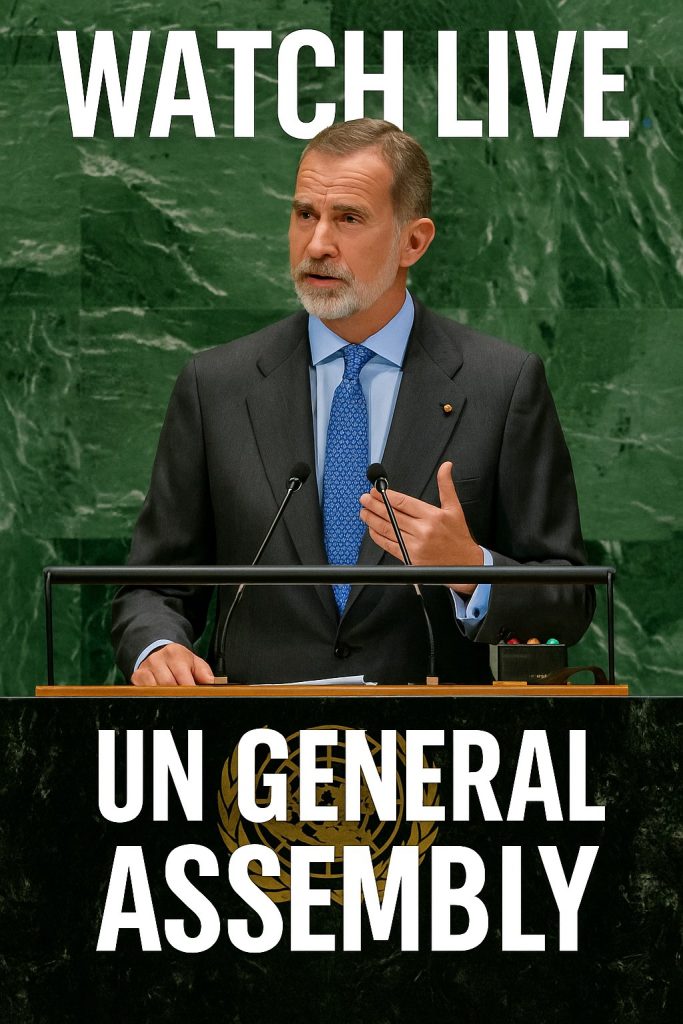
As the sun rose over New York City, a palpable sense of urgency filled the air on the second day of the 78th United Nations General Assembly (UNGA). World leaders congregated at the iconic UN Headquarters, addressing critical global issues that affect millions worldwide. The possibilities for collaboration and resilience were high as representatives from nearly 200 countries took the stage to share insights and propose solutions.
The day kicked off with a powerful address from United Nations Secretary-General António Guterres, who emphasized the need for immediate action to combat climate change, economic inequality, and geopolitical tensions. “We are at a breaking point,” Guterres declared. “We must act decisively to protect our planet and its inhabitants.” This message resonated deeply as leaders spoke out against the existential threats facing humanity.
One of the standout moments came when the President of Portugal, Marcelo Rebelo de Sousa, addressed climate change head-on. He highlighted Portugal’s commitment to expanding renewable energy and urged other nations to commit to carbon neutrality goals. “The time for empty promises is over; we need to take concrete actions now,” he stated, galvanizing a room filled with passionate leaders willing to participate in a sustainable future.
Conflict and Cooperation
International conflict and the importance of diplomacy were significant themes as well. The ongoing crisis in Ukraine was a focal point, with multiple leaders condemning Russian aggression and calling for a united front to support the Eastern European nation. Ukraine’s President, Volodymyr Zelensky, delivered a poignant message, expressing gratitude for international assistance while emphasizing the importance of a swift and comprehensive response to ensure peace. “The world cannot afford to stand by,” he warned.
The assembly also spotlighted areas of crisis beyond Europe. African leaders called attention to the urgent humanitarian situations in regions like the Sahel and Sudan, emphasizing the need for increased support from international partners. “Stability in Africa means stability in the world,” remarked Nigeria’s President Bola Ahmed Tinubu, drawing connections between global security and local conditions.
In a surprising twist, leaders also shared innovative solutions uniting traditional diplomacy with modern technology. The New Zealand Prime Minister championed the use of digital platforms to enhance transparency and foster collaboration among nations, encouraging other countries to adopt tech-driven approaches to diplomacy. “We need to adapt to the changing times,” she asserted, urging a collective move towards tech-based cooperation.
The discussions are not merely talk, as funding commitments were made during the session aimed at tackling climate change, with specific pledges for financial support directed towards renewable energy projects in developing nations. The assembly aims to solidify these agreements into actionable solutions as the event progresses.
A Call to Action
As leaders left the podium, they were met with the clear message that while challenges abound, collaborative efforts can lead to meaningful progress. The second day of the UN General Assembly served as a reminder of the power of global unity and the need for immediate action. With a packed agenda for the coming days, world leaders must now translate their words into actions, prioritizing global cooperation over division.
Where to Learn More
- United Nations General Assembly – United Nations
- World Leaders Address Global Issues at UNGA – Reuters
- UN General Assembly: Key Moments – BBC News
- World Leaders Tackle Global Challenges at UNGA – Al Jazeera
- Global Leaders Gather at UN General Assembly – CNN