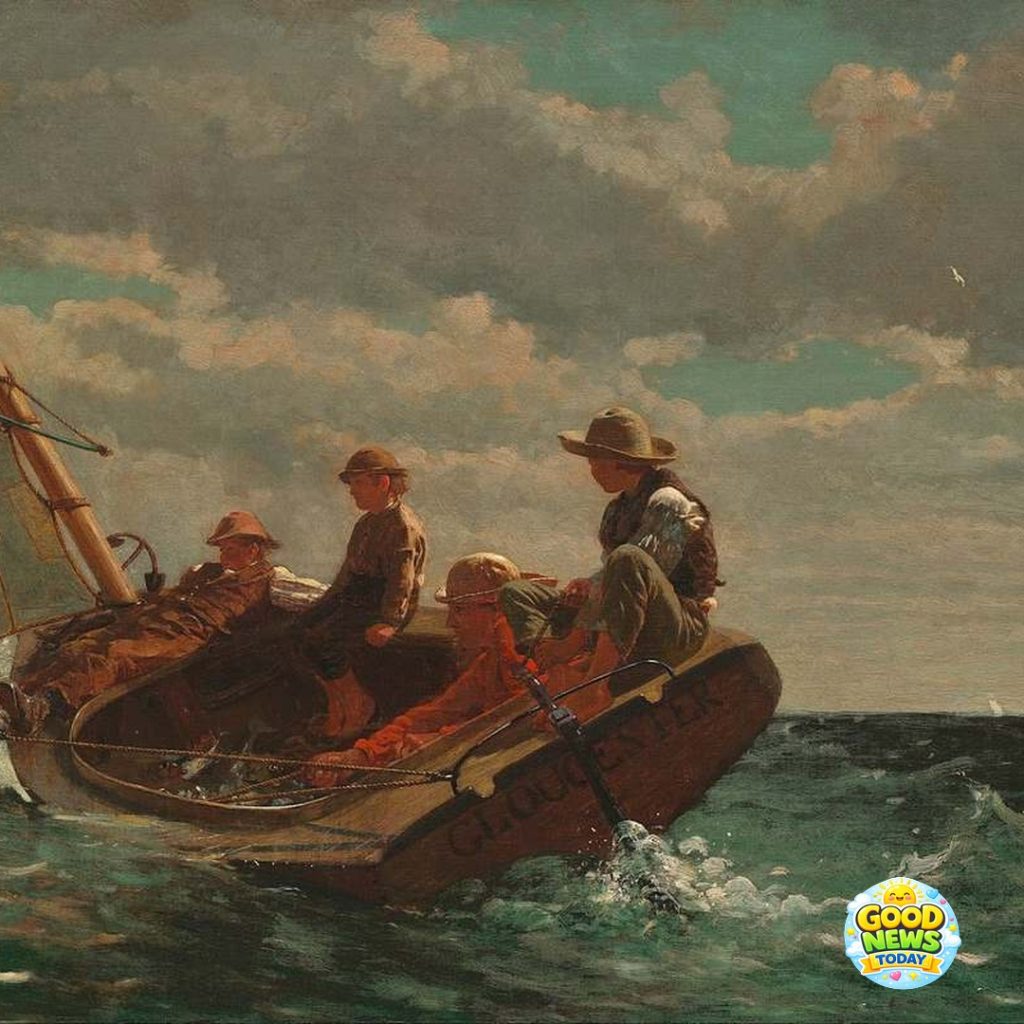
Today marks a remarkable 190 years since the birth of Winslow Homer, one of America’s most celebrated painters from the 19th century. Born in Boston to a father who was always chasing after quick wealth, it was his mother, a gifted watercolor artist, who played a crucial role in shaping his artistic journey by teaching him the fundamentals of painting. Homer’s most fruitful years unfolded in Maine, where he captured the vibrant essence of fishing and maritime cultures. His masterpieces, including The Gulf Stream, The Fog Warning, and Breezing Up (A Fair Wind), have become iconic representations of 19th-century American life.
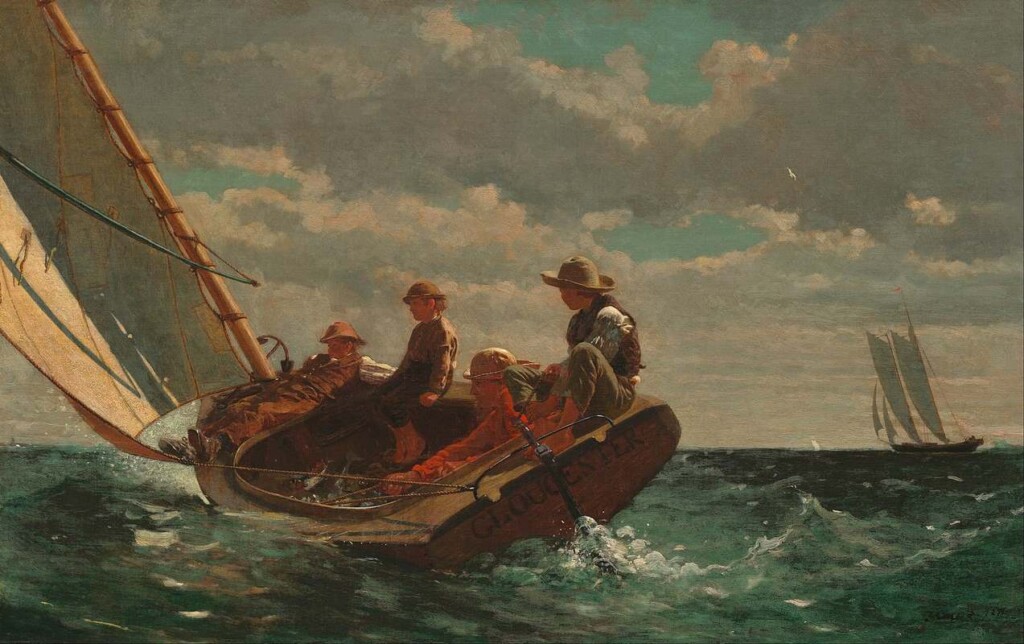
Early in his career, at just 27 years old, Homer showcased an impressive maturity, emotional depth, and technical skill that quickly garnered acclaim. His realistic approach was not only true to nature but also emotionally resonant.
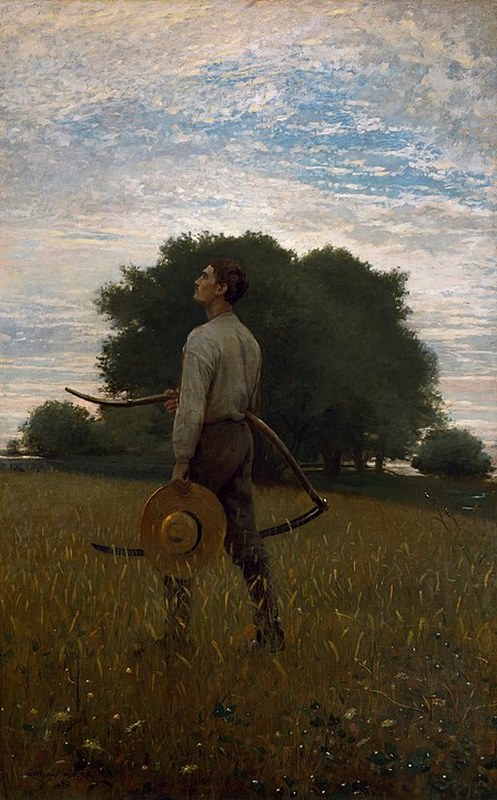
One art critic noted, “Winslow Homer is one of those few young artists who make a decisive impression of their power with their very first contributions to the Academy … He at this moment wields a better pencil, models better, colors better, than many whom, were it not improper, we could mention as regular contributors to the Academy.”
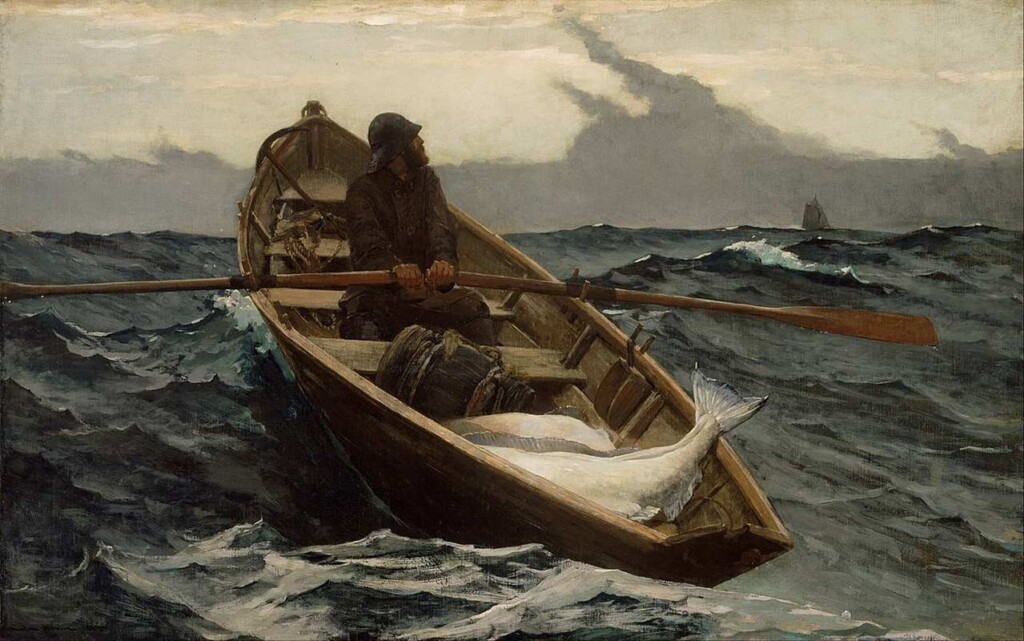
In 1883, Homer settled in Prouts Neck, Maine, residing in a renovated carriage house just seventy-five feet from the ocean. By the age of fifty, he was described as a “Yankee Robinson Crusoe, cloistered on his art island” and a “hermit with a brush.” His time there solidified his status in the art world, as the New York Evening Post recognized him as “the most original and one of the strongest of American painters.”
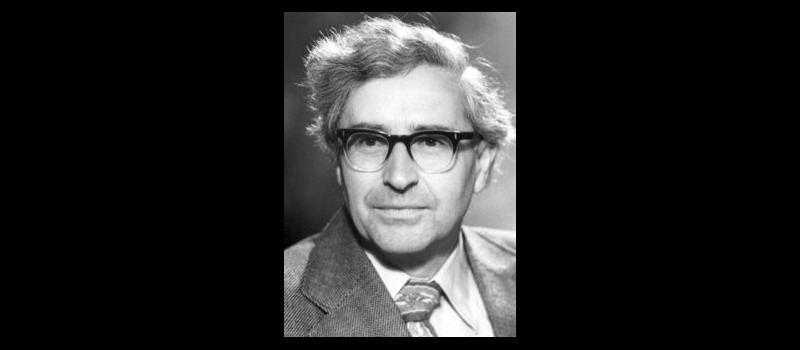
In addition to celebrating Winslow Homer today, we also remember another significant event that took place 58 years ago. British astronomers made a groundbreaking discovery when they detected a radio signal using their new telescope outside Cambridge. This signal was later identified as the first pulsar, a fascinating type of highly-magnetized neutron star that spins at extraordinary speeds, captivating astronomers and enthusiasts alike. Antony Hewish, Martin Ryle, and Jocelyn Bell Burnell played pivotal roles in this discovery, which eventually earned Hewish and Ryle a Nobel Prize in Physics.
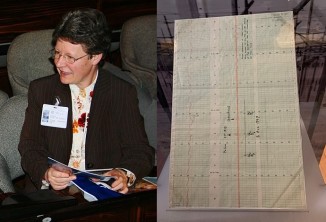
Years prior, Hewish had envisioned a large phased array radio telescope, which culminated in the completion of the Mullard Radio Astronomy Observatory in 1967. With Jocelyn Bell’s assistance in building the array and analyzing its outputs, she made the astonishing discovery of what turned out to be the first pulsar. Initially dismissed as radio interference, the consistent signals soon suggested an astronomical origin. Just three months later, using a fast strip chart recorder, Bell and Hewish identified the signals as a series of pulses, occurring every 1.337 seconds—an unprecedented finding in the realm of astronomy.