
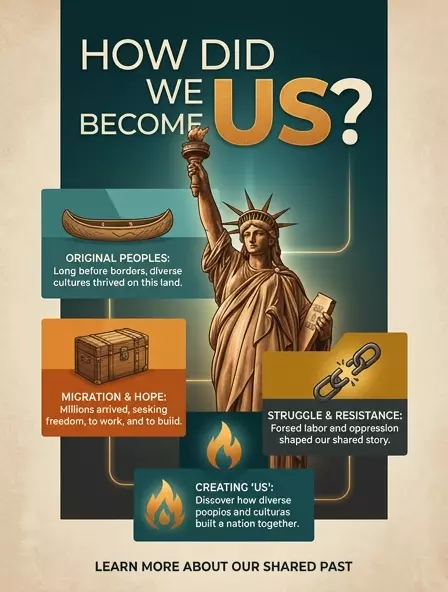
In an era of increasing political polarization, it’s easy to fall into the trap of viewing history through a narrow lens that confirms our existing beliefs. However, a growing consensus among educators, historians, and civic leaders suggests that *anyone*, regardless of political leanings, benefits from a deeper understanding of our shared past. As the saying goes, “those who do not remember the past are condemned to repeat it.” But more than that, a well-rounded knowledge of history empowers us to draw more informed, nuanced conclusions about our present.
Recent social media conversations highlight a powerful idea: that knowledge about the past isn’t about endorsing one specific ideology. Instead, it’s about fostering critical thinking and empathy. When we understand the complex motivations behind historical events—whether it’s the Civil Rights Movement, the Cold War, or recent social reforms—we gain insight into the forces that shape current policies, societal values, and global relationships.
For example, many political debates today revolve around issues like immigration, economic policies, and gun rights. With a comprehensive grasp of history, individuals can better appreciate how these issues developed over time and how different groups have historically responded. This perspective doesn’t necessarily change everyone’s opinions but encourages more respectful dialogue and a recognition that our shared history is multifaceted.
Moreover, understanding our collective past helps peel back the layers of misinformation and partisanship that often cloud debate. When we are equipped with factual knowledge, we can evaluate claims more critically. This is especially vital in today’s digital age, where misinformation can spread rapidly and influence public opinion. Education rooted in historical context can serve as a counterbalance, promoting fact-based discussion over emotion-driven rhetoric.
Practically speaking, accessing diverse sources of information—such as reputable history books, documentaries, and academic articles—allows us to see past simplified narratives. Numerous initiatives encourage curriculum updates that incorporate multiple perspectives, emphasizing the importance of understanding complex social dynamics. Whether through local history lessons or national archives, expanding our knowledge about the past creates a foundation for more reasoned and constructive political engagement.
Ultimately, fostering a shared appreciation for history isn’t about erasing differences; it’s about building a common ground based on truth. When we recognize the interconnectedness of past events and their impacts on today’s society, we cultivate empathy and resilience as a nation. In doing so, we are better prepared to craft informed policies and foster civil discourse in a democratic society that values diverse voices.