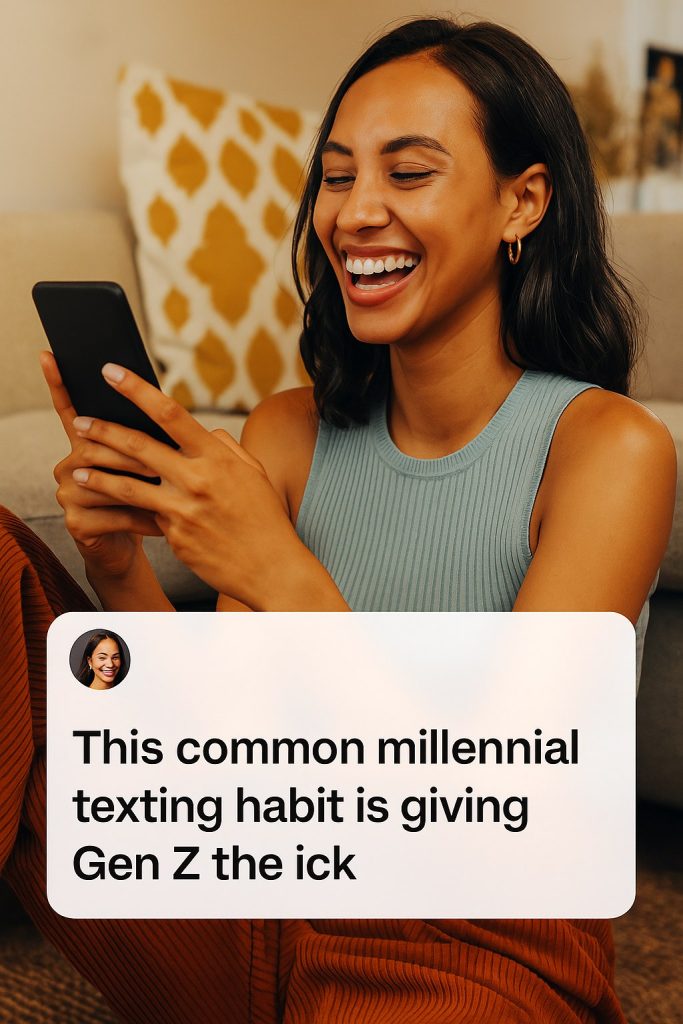
It’s official: the humble “lol” — long a staple of millennial texting language — is becoming a linguistic relic, at least in the eyes of Generation Z. A fresh social media trend has revealed just how divided the two generations are when it comes to digital communication style, sparking conversations about evolving slang, texting etiquette, and what keeps messages feeling authentic in 2024.
In recent weeks, a viral Twitter screenshot capturing a Gen Z’er’s reaction to millennial texting habits has tapped into a shared sentiment across platforms. The gist? Millennials’ frequent use of “lol” is increasingly being met with the dreaded “ick” — that gut reaction of mild disgust or discomfort often expressed by younger users. To many Gen Z digital natives, “lol” is no longer a cute quirk or casual filler but feels outdated and, ironically, a little insincere.
Millennials, typically defined as those born between 1981 and 1996, popularized “lol” in early internet chatrooms, instant messaging apps, and mobile texting as a way to break the seriousness of a conversation. It became shorthand not just for “laughing out loud” but also to soften statements or inject a friendly tone in digital exchanges. But Gen Z — born roughly from 1997 onward — has a different fingerprint on communication.
This younger generation gravitates toward nuanced, often minimalist expressions to convey emotion or reaction, such as the use of emojis, the emergent “simp” or “cap/no cap” vernacular, and even intentional absence of text fillers that might feel performative. Where millennials might lean on “lol” as a catch-all to express amusement or lessen tension, Gen Z finds it lacks the authenticity and fresh vibe they prefer in digital conversations.
Anecdotally, members of Gen Z have explained that “lol” feels like an overused crutch — one that dilutes the real feelings behind a message. Some prefer instead to simply use laughter emojis, “haha,” or no filler at all. Others point out that “lol” has become hyper-commercialized and associated with older internet culture icons, making it less ‘cool’ and more emblematic of a previous texting era.
This generational divide is not just about “lol.” Broader studies and social media chatter indicate that millennials’ texting style — full of exclamation marks, “just saying,” and self-deprecating humor — sometimes feels performative or excessive to Gen Z. Conversely, millennials often perceive Gen Z’s digital style as abrupt or emotionally ambiguous.
So are millennials clinging too long to “lol”? Some social media users have confessed to feeling stuck, torn between nostalgia for their formative years’ texting style and awareness of evolving digital norms. The phrase “millennial texting habits giving Gen Z the ick” has become a springboard for playful generational teasing as well as serious reflection on language evolution.
Experts in digital communication suggest that this shift is natural. Language and slang progressively adapt based on social context and cultural change. What was once fresh and expressive can, over time, become a cliché or lose currency with younger audiences. For millennials, “lol” functions as a linguistic comfort zone; for Gen Z, it may feel like a verbal artifact in a fast-moving internet culture.
In fact, some linguists propose we are witnessing a major generational “texting pause” — a moment to rethink what we value in digital interactions. Authenticity, brevity, and context-specific expressions are becoming paramount, with emojis and new slang replacing older acronyms.
Whether you’re proudly still texting “lol