In a moment that has sent social media users into a frenzy, a video posted by @wannabe_entomologist has sparked a heated debate about the often overlooked yet unsettling world of nature. The eye-catching phrase, “This has to be worse than snakes shedding,” captures both the fear and fascination many have regarding various animal behaviors, especially those that deeply unsettle our comfort levels.
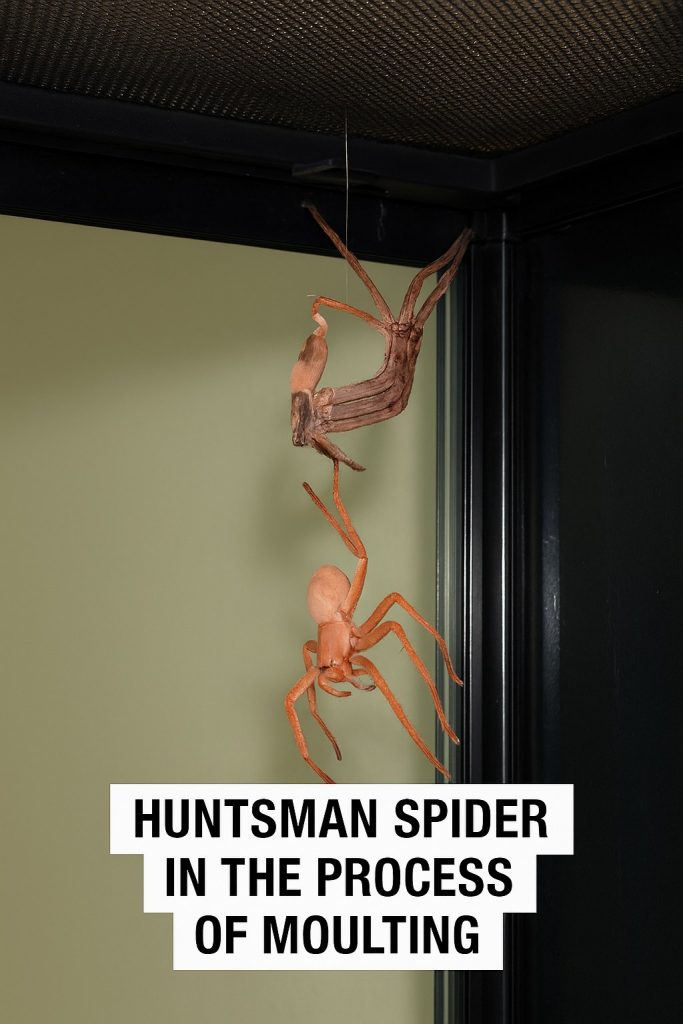
The video, which has already gone viral with thousands of shares and comments, showcases a clip of various insects undergoing their own metamorphoses, a process that many viewers found disturbing. While snakes may evoke a visceral reaction for their famous shedding ritual—where they shed their skin in a bid for renewal—entomologists have long known that insects can be even more jaw-dropping in their transformations. The thought of exoskeletons cracking open to reveal new layers certainly has its own sense of horror.
Why Shedding Scares Us
Snaking shedding—a natural part of growth—doesn’t just look odd; it can symbolize a larger fear of change and vulnerability. For many, seeing a snake shed is a stark reminder of its predatory nature, and the shedding is often accompanied by the fear of the unknown. Similarly, the process of metamorphosis in insects—including caterpillars turning into butterflies or larvae emerging into adult flies—has its own haunting psychological implications that combine wonder and repulsion.
Users across platforms like TikTok and Twitter have chimed in, expressing just how uncanny they find insect shedding. Comments ranged from humorous disbelief to genuine fear, with many contemplating what could be more unnerving than snakes shedding their skin. “The idea of an insect coming out of its shell is just terrifying,” one user wrote. “I’d take the shedding snake any day,” another commented as they shared the video, echoing a growing sentiment in these online spaces.
The Science Behind the Shedding
For the uninitiated, shedding—scientifically known as ecdysis—can occur in several animal groups, including reptiles and arthropods. In snakes, it is mostly about growth, as they cannot stretch their skin. In insects, it serves not just for growth but allows them to reach new life stages. This periodic shedding, while miraculous from a biological perspective, raises questions about human aversion to the display of internal change externalized to the world.
The Psychological Impact
Natural phenomena like these often induce a complex mix of emotions: curiosity, escalation of anxiety, and a deeper introspection into our relationships with animals, nature, and ourselves. Psychologists have noted that the hairs on our skin responding to real or perceived danger can be instinctive; witnessing a powerful transformation can trigger our sensory responses and invoke memories or fears in ways we might not fully understand.
So, what are we left to do? As more people engage with the horrors of nature online, discussions that explore our fears surrounding shedding could provide both educational insights and perhaps humorous relief. In an age of climate awareness and environmental education, examining our emotional responses may open avenues to curiosity rather than fear, enabling us to appreciate the transformative processes in nature.
Ultimately, the question of whether something is “worse” than snakes shedding may come down to personal preference, yet one thing is for certain: the viral video has brought an encouraging awareness of the wonders—and sometimes horrors—of nature.
Where to Learn More
- Why Snakes Shed Their Skin – Scientific American
- Ecdysis: Shedding Processes in Animals – Britannica
- Metamorphosis: The Transformation of Butterflies and Insects – National Geographic
- Emotional Responses to Nature: Understanding Our Fears – Psychology Today
- The Psychology of Fear and Natural Phenomena – National Institutes of Health