
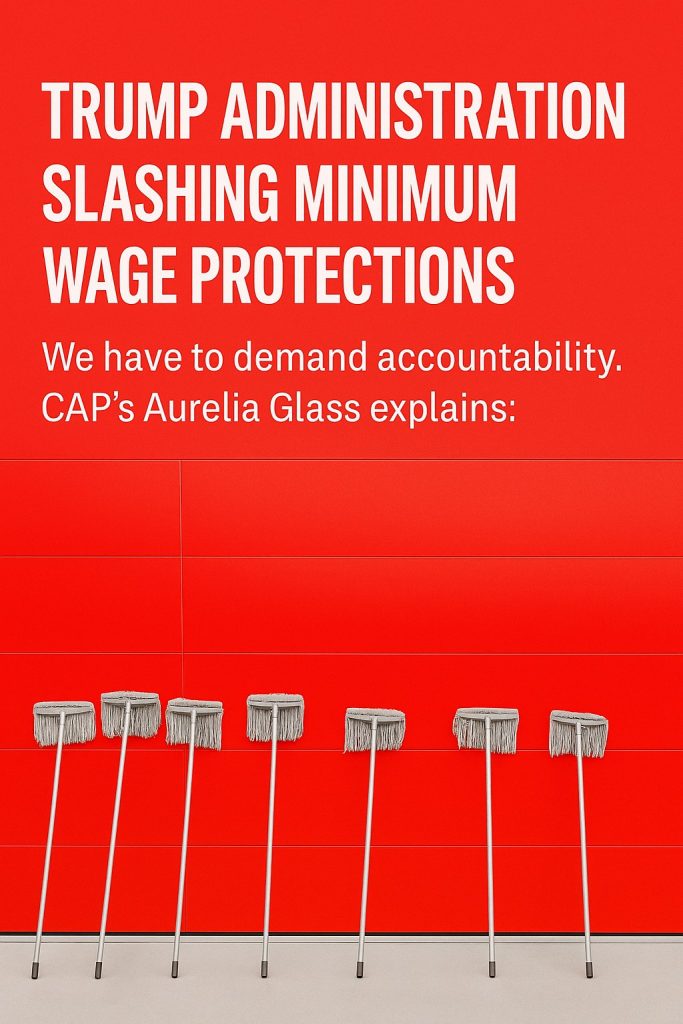
In a contentious move sparking widespread outrage, the Trump administration is set to slash minimum wage protections for some of the nation’s most vulnerable workers, including those with disabilities, federal contractors, and home care providers. The proposed changes, outlined by the Department of Labor, threaten to undermine decades of progress in labor rights, igniting a renewed call for accountability and protection for these essential workers.
According to a report from the Center for American Progress (CAP), led by policy expert Aurelia Glass, this decision could adversely affect nearly 1.3 million workers nationwide. These cuts come at a time when many families are still recovering from the economic fallout of the COVID-19 pandemic, further complicating the already precarious situation many disabled individuals face in the job market.
Why It Matters: Minimum wage regulations have historically served as a crucial safety net for disadvantaged groups, allowing them to earn a living wage amidst rising costs of living. Disabled workers and caretakers often rely on these protections not only for their livelihoods but also for the dignity of work. By diminishing these wage safeguards, the Trump administration raises serious ethical questions about how the nation values the contributions of these workers.
The proposed legislation would eliminate the subminimum wage exemption for federal contractors, a measure that has been criticized for fostering a cycle of poverty among disabled workers. Many advocates argue that this change would also discourage companies from hiring workers with disabilities, effectively institutionalizing discrimination against these groups.
Aurelia Glass noted, “If minimum wage protections are removed, we are telling an entire population that their worth is less than others. This is not just a policy change; it’s a fundamental issue of equity.” The stakes are high, not just for the individuals affected but for the economy as a whole, as workers with disabilities contribute significantly to the workforce and the national economy.
Calls for Action: The response from advocacy groups has been swift and clear. Numerous organizations are mobilizing to demand that Congress intervene and protect vulnerable workers. Through campaigns on social media and grassroots initiatives, advocates are urging citizens to voice their concerns to lawmakers, emphasizing that equitable labor practices should be non-negotiable.
As the administration prepares to move forward with these changes, public sentiment is coalescing around the need for accountability. Advocates stress the importance of uniting voices to combat policies that further marginalize already vulnerable communities. The fallout from these reductions may extend beyond mere economic implications, as it also raises critical conversations about societal values around disability and labor.
Conclusion: As the debate rages on, those impacted—alongside their allies—continue to push for safeguards that ensure a just working environment for everyone. Attention to these crucial issues could redefine labor rights in America, and the outcome will undoubtedly affect millions.
Where to Learn More
- Fact Sheet: Slashing Wage Protections for Disability Workers – Center for American Progress
- Debate on Minimum Wage and Disability Issues Intensifies – NPR
- Trump Administration’s Impact on Wage Protections for Disabled Workers – HuffPost
- Trump Admin Proposes New Labor Policies Impacting Disabled Workers – Reuters