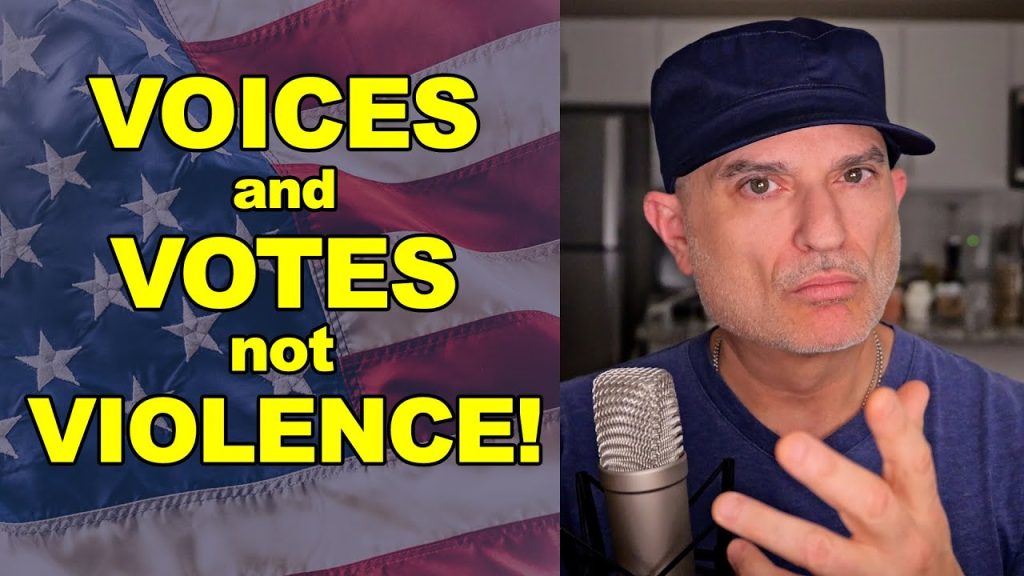
The phrase “Voices and Votes, not Violence” captures a powerful call for democratic participation through dialogue and civic involvement rather than through conflict and aggression. This slogan has become emblematic in upcoming election cycles and political movements worldwide, urging citizens to express their opinions through voting and peaceful debate instead of resorting to violent protests or intimidation tactics.

In recent years, many democracies have grappled with increasing political polarization and tensions sometimes erupting into violent confrontations around elections or policy disputes. The message implicit in “Voices and Votes, Not Violence” reminds us that the legitimacy of political systems fundamentally depends on the peaceful transfer of power and the active, nonviolent engagement of the electorate. It is a call to reclaim political discourse as a constructive avenue for change, highlighting that violence undermines social fabric and democratic values.
Historical and contemporary political contexts demonstrate how this message is urgent and relevant. Countries emerging from conflict, as well as long-established democracies facing divisive elections, often see spikes in unrest fueled by misinformation, ethnic tensions, or perceived electoral injustices. Advocates for peace emphasize that lasting solutions and policy reforms come from deliberative processes where all voices are heard and respected. Campaigns promoting voter education, election integrity, and anti-violence initiatives strive to build communities where civic participation supersedes fear and force.
Moreover, this principle aligns with global democratic norms and human rights, where freedom of expression and the right to vote are cornerstones of governance. Civil society organizations, governments, and international bodies frequently collaborate to promote peaceful participation and conflict resolution around elections.
In the face of increasing global political challenges, embracing “Voices and Votes, not Violence” is a reminder of the power of democracy’s foundational tools—communication, voting, and peaceful advocacy. Citizens and leaders alike are called to stand against violence to ensure that political change occurs through legitimate, inclusive, and peaceful means.
Where to Learn More
- BBC Politics – Comprehensive political news and analysis
- C-SPAN – Extensive coverage of political events and debates in the U.S.
- Amnesty International: Democracy and Human Rights – Resources on peaceful political participation and human rights advocacy
- International IDEA – Institute for democracy and electoral assistance with global information on elections and democratic processes
- United Nations Democracy – Insights on democratic governance and peaceful political engagement worldwide