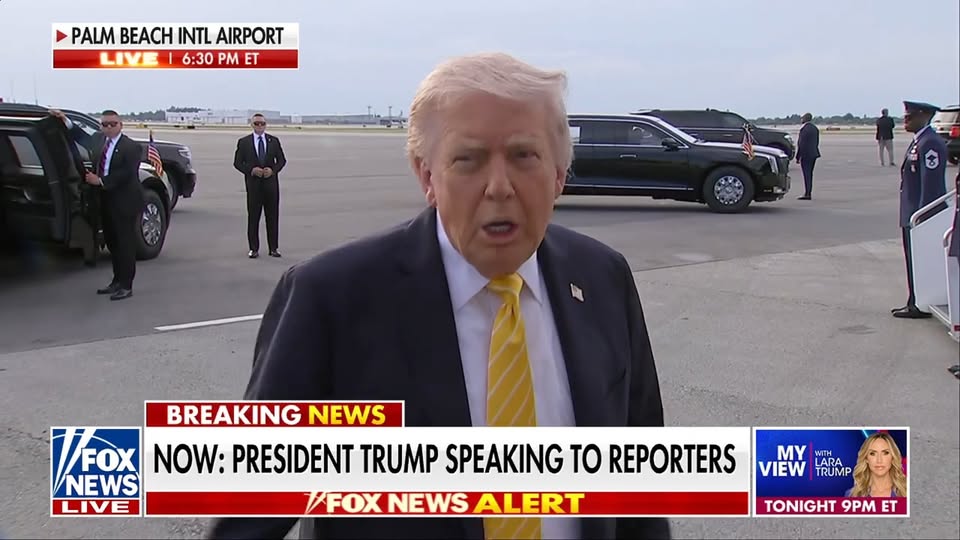
The United States is undertaking a substantial troop withdrawal from Germany, a move confirmed recently by President Donald Trump in a press briefing that has already ignited both support and controversy worldwide. During a televised exchange with a reporter, President Trump stated, “We’re going to cut way down, and we’re cutting a lot further than 5,000.” This statement signals a shift in U.S. military strategy and has raised questions about the future of American military presence in Europe.
For decades, U.S. troops have been stationed in Germany as part of NATO commitments and broader strategic interests. Currently, approximately 35,000 American service members are deployed in Germany, serving as a critical hub for operations across Europe and beyond. However, President Trump’s recent comments suggest that a significant portion of those forces may soon be redeployed or withdrawn entirely, marking one of the most notable changes in European military policy in recent years.
In response to the reporter’s question about the reasoning behind this decision, President Trump emphasized cost-cutting and strategic realignment. “We’re reducing our military footprint because we believe it’s the right thing to do, and we want to reallocate resources to other priorities,” he explained. While he did not specify exact figures, his comments indicate that the reduction could surpass the initial figure of 5,000 troops, which had previously been mentioned by administration officials.
Experts suggest that this decision aligns with Trump’s broader approach to foreign policy—focused on emphasizing US interests and reducing commitments abroad unless absolutely necessary. Critics, however, argue that such troop reductions could weaken European defenses, impair NATO cohesion, and embolden adversaries Russia and China, who closely watch American military movements.
The move also comes amid ongoing tensions within U.S.-Germany relations, including disagreements over trade, defense spending, and political leadership. Some analysts interpret the troop drawdown as a gesture aimed at renegotiating defense agreements or as an attempt to boost support among domestic voters concerned about military costs.
On the international front, allies and global partners are watching closely, with some expressing concern over the potential security implications. NATO officials have reiterated their commitment to collective defense, but uncertainties linger about how the reduction in U.S. troops might affect European security dynamics.
While the full scope and timeline of the troop withdrawals have not been officially announced, defense experts warn that such large-scale redeployments require careful planning to ensure stability and operational readiness. As the situation develops, watch for official statements from the Pentagon and NATO, as well as reactions from European leaders.
Ultimately, this decision underscores shifting U.S. military priorities in the 21st century and raises important questions about the future of NATO and transatlantic security cooperation. Will this withdrawal signal a realigning of U.S. strategy, or will it trigger renewed debates about mutual defense commitments in an increasingly complex geopolitical landscape?